Dartford has changed shape over the past couple of decades. Between the regeneration around Ebbsfleet, the new estates in Greenhithe and Stone, and the older streets of 1930s semis and Victorian terraces that make up much of the borough, there are a lot of driveways here, and a lot of them are either brand new or past their best. That mix is a big part of why resin bound surfacing keeps coming up in local conversations about driveways.
It isn’t just fashion. For a commuter town with busy households, heavy rainfall to manage and plenty of homes competing on kerb appeal, resin bound paving solves several practical problems at once. Here’s why it’s become such a popular choice, and what Dartford homeowners should know before committing.
A Borough Full of New Builds and Tired Old Driveways
New Plots That Need Finishing
Dartford is one of Kent’s fastest-growing boroughs. The council’s own housing supply figures describe sustained growth and new housebuilding driven by strong demand, with the local plan targeting more than 12,600 new homes over its lifetime, according to Dartford Borough Council. Plenty of those homes come with a basic, builder-grade finish on the drive, or sometimes none at all. Owners who want something smarter than bare hardstanding often turn to resin bound surfacing as an upgrade, since it gives a modern, uniform look from day one.
Older Homes With Worn-Out Surfaces
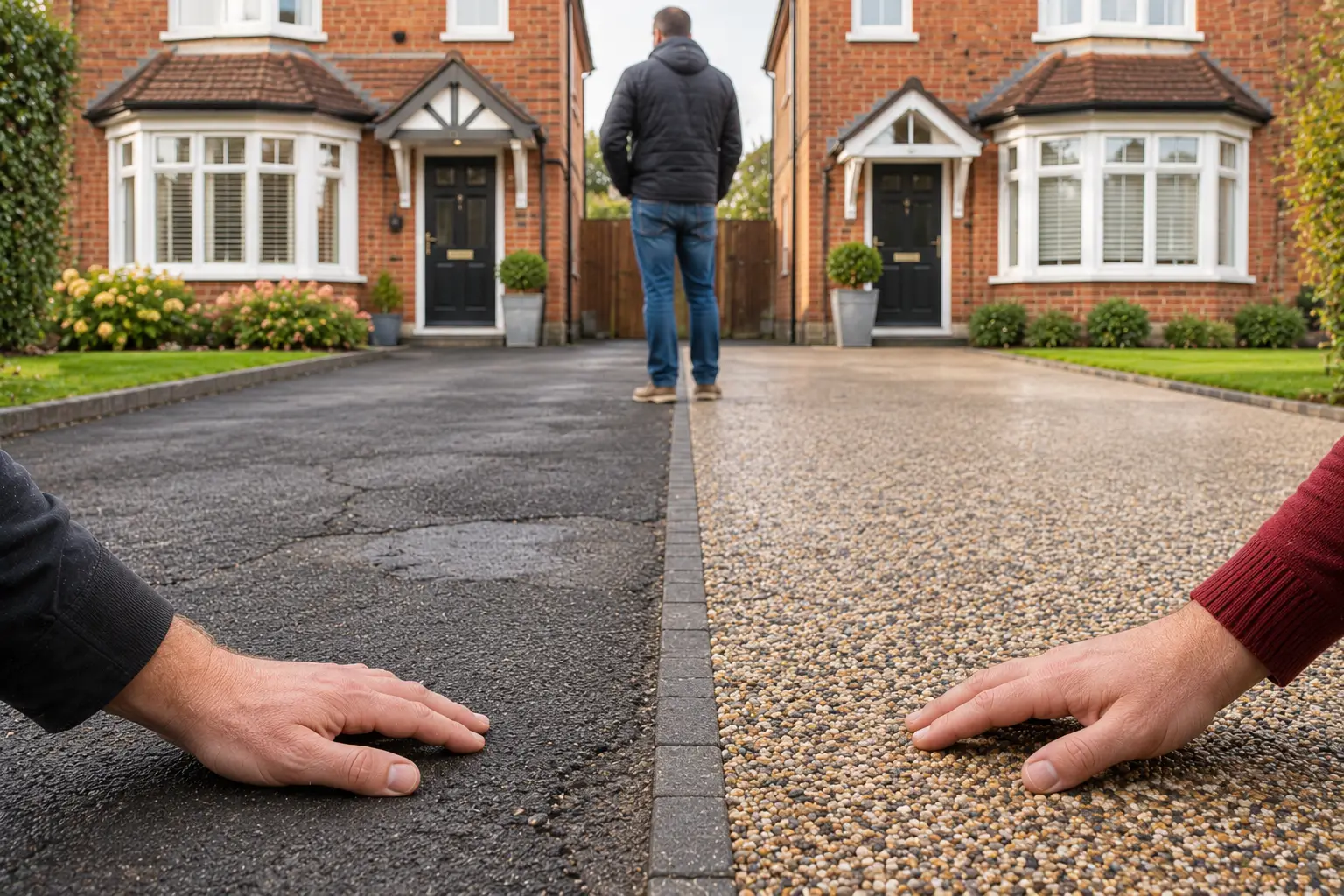
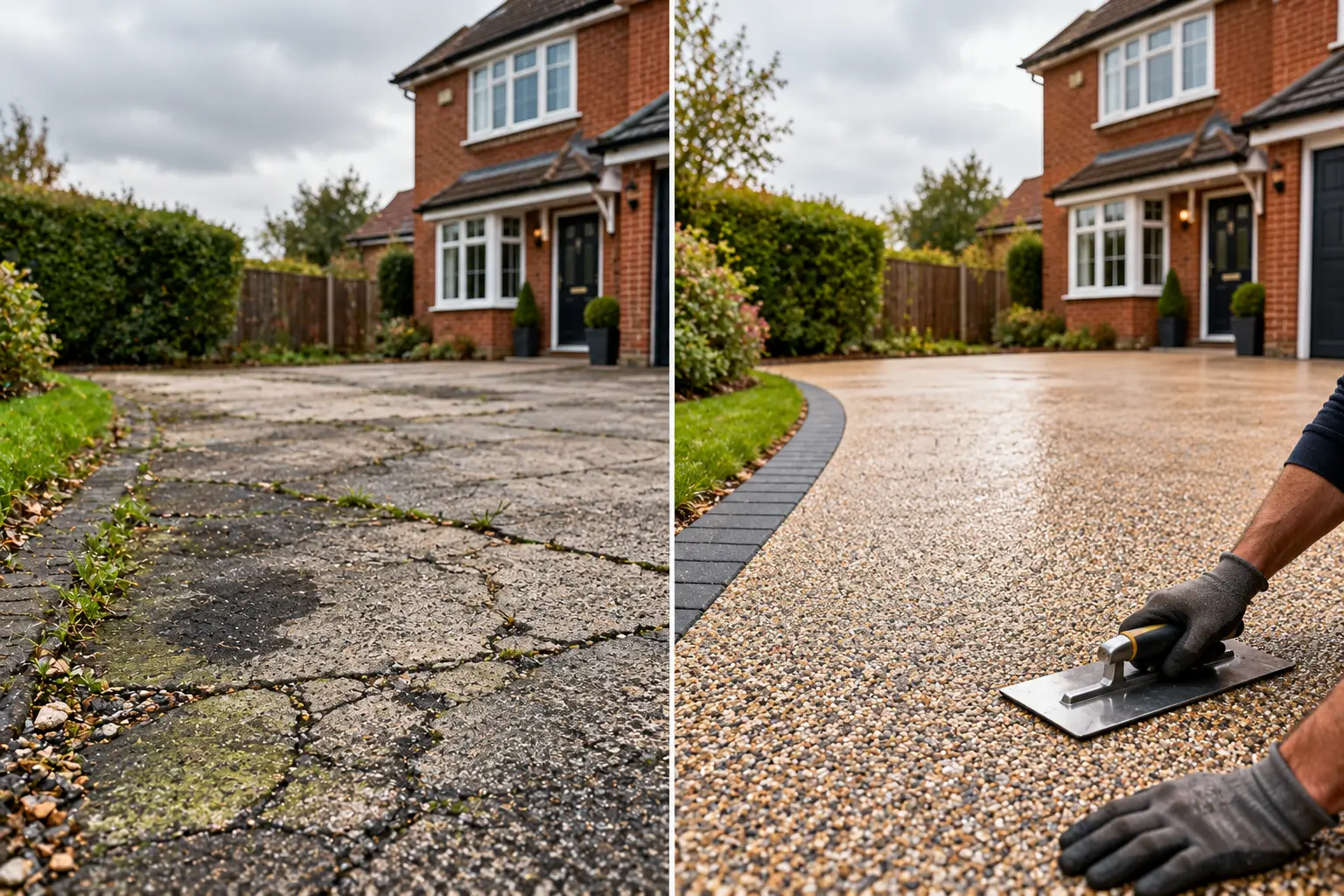
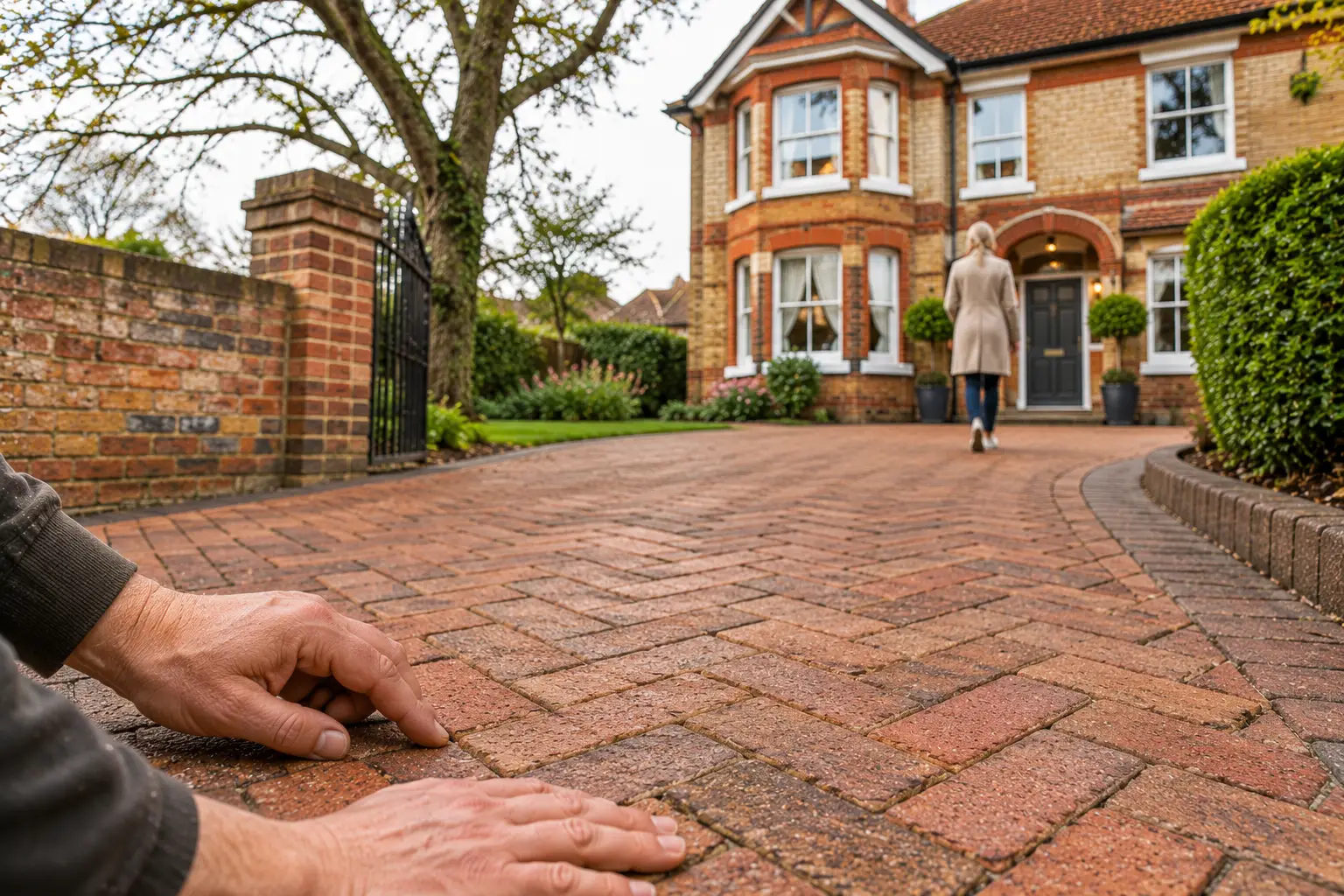
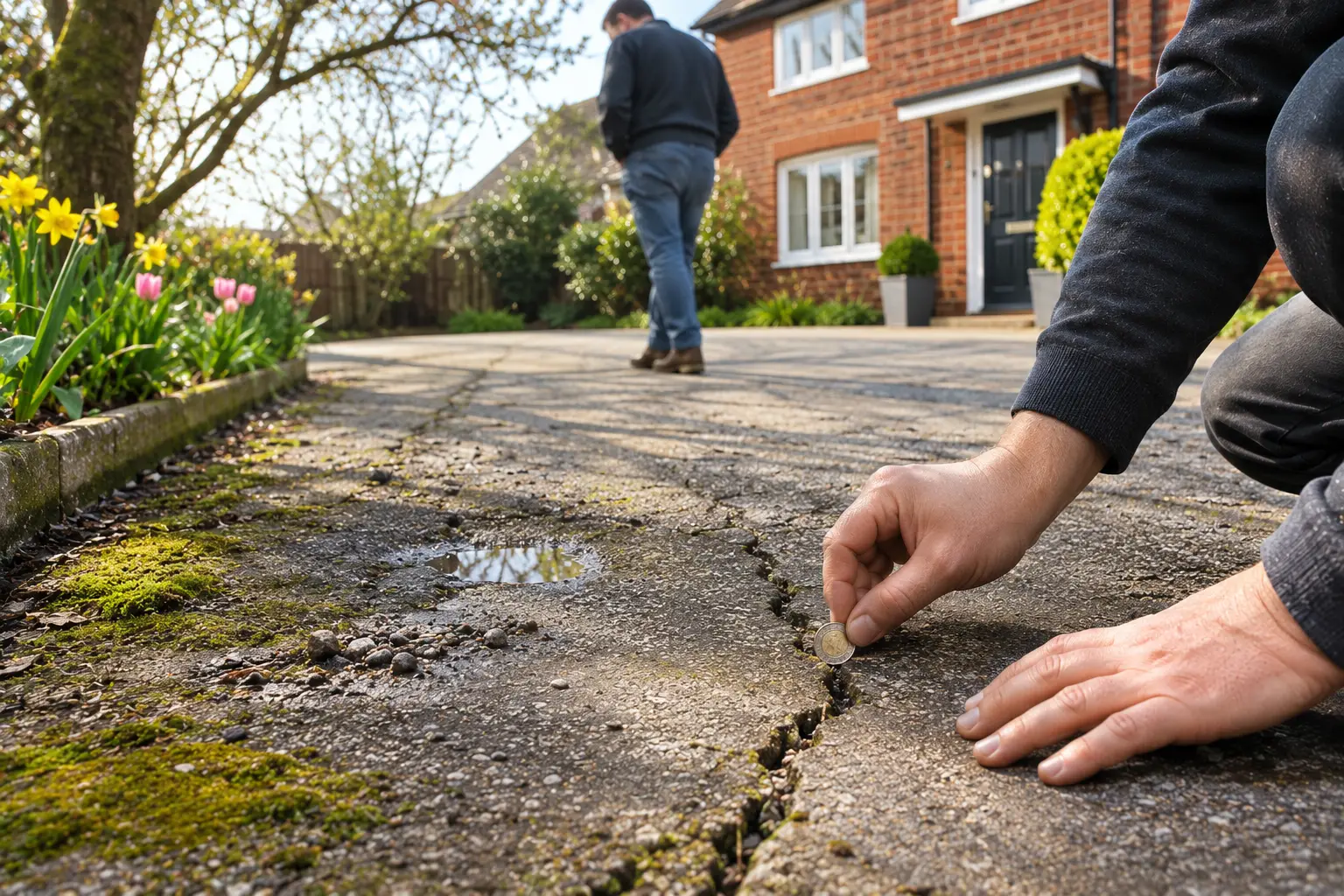
The other half of the story is the established housing stock. Decades-old concrete that’s cracked and stained, tarmac that’s gone patchy, and block paving that’s sunk and sprouted weeds are all common sights. For these homeowners, resin bound is often a replacement project, a way to reset the front of the house in one go rather than patching the existing surface for another few years.
The Practical Reasons Driving the Switch
Busy Households Want Low Maintenance
Dartford is a commuter town, with fast links into London, and plenty of residents juggle work, school runs and family life. A surface that needs constant weeding, resanding or resealing isn’t appealing. Resin bound paving has no joints for weeds to root in and no loose stone to rake back into place. Regular upkeep amounts to an occasional sweep and a gentle rinse, with extra attention in shaded corners where algae can build up.
Room for More Than One Car
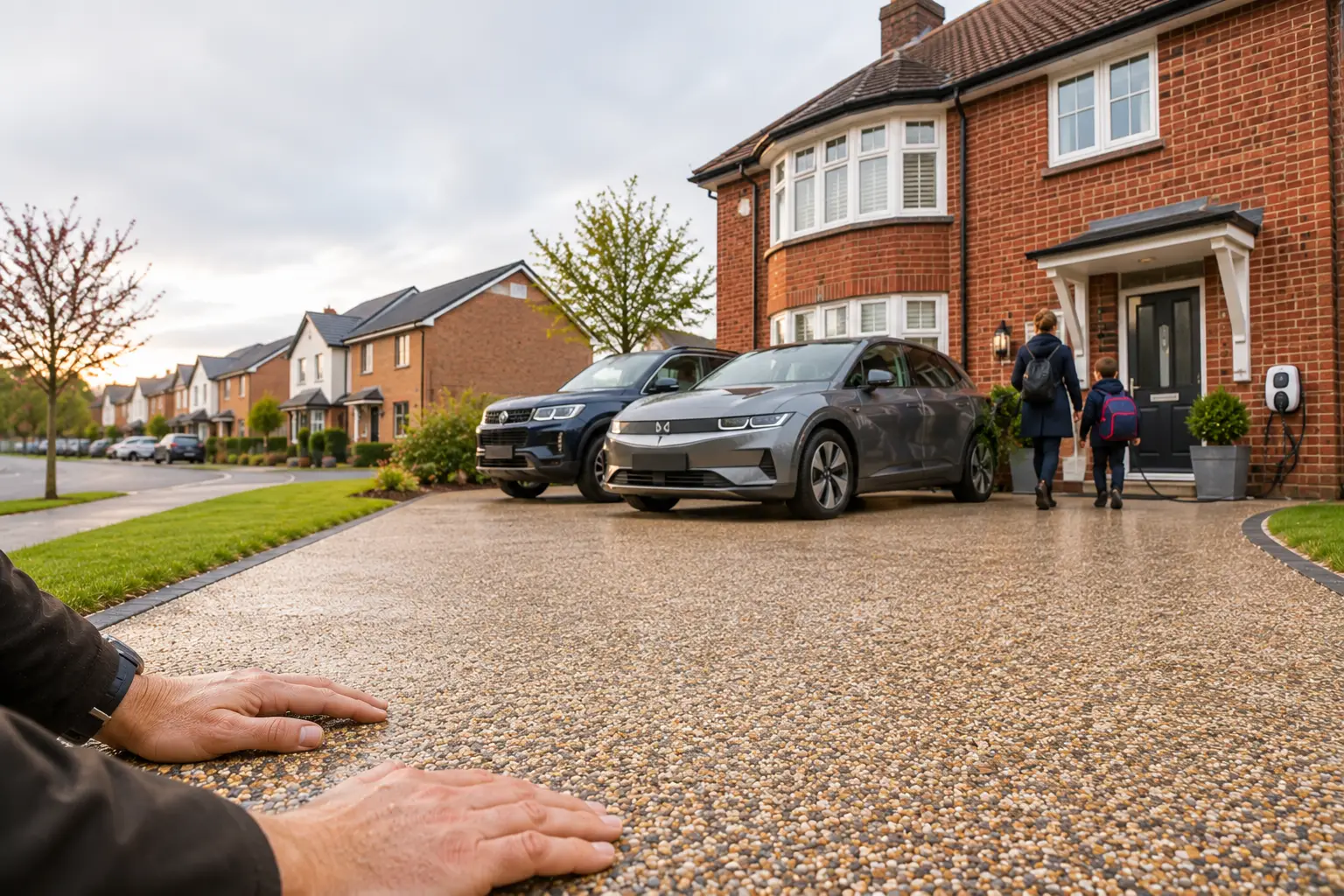
Many households here run two or more vehicles, and more are now charging electric cars at home. A smooth, seamless surface copes well with this kind of daily traffic, with no sinking blocks or rutting where wheels sit. If you’re planning for an EV charger, it’s worth telling your installer early, so cabling routes and ducting can be built in during groundworks rather than cut through a finished surface.
Drainage and Peace of Mind
Standing water on a driveway is more than an annoyance. It leads to algae, slippery patches and frost damage. Resin bound surfacing is permeable when laid over the right base, so rain drains through rather than sitting on top. That’s a real advantage on a busy front drive where you’re walking back and forth with shopping or children.
Planning Rules Are Simpler Than People Expect
Why Permeable Surfaces Avoid Planning Headaches
Planning is one of the most common worries with a new driveway. The national rule is straightforward: as set out by the Planning Portal, paving a front garden with an impermeable surface over five square metres generally needs planning permission, unless the rainwater drains to a permeable area within your property. A correctly installed resin bound system is permeable, so it normally stays within permitted development.
Check Local Restrictions First
There are a few exceptions worth knowing about. Dartford has designated conservation areas, including parts of the town centre, and some streets are covered by Article 4 directions that remove certain permitted development rights. If your home is in one of these, or is a listed building, speak to the council before work begins. And if you live in the Ebbsfleet Garden City area, note that the Ebbsfleet Development Corporation is responsible for deciding planning applications in its area, rather than the borough council. New-build owners should also check their deeds or estate agreement, since some developers restrict driveway materials or colours to keep streets looking consistent.
Kerb Appeal and Resale Value
First Impressions Matter in a Competitive Market
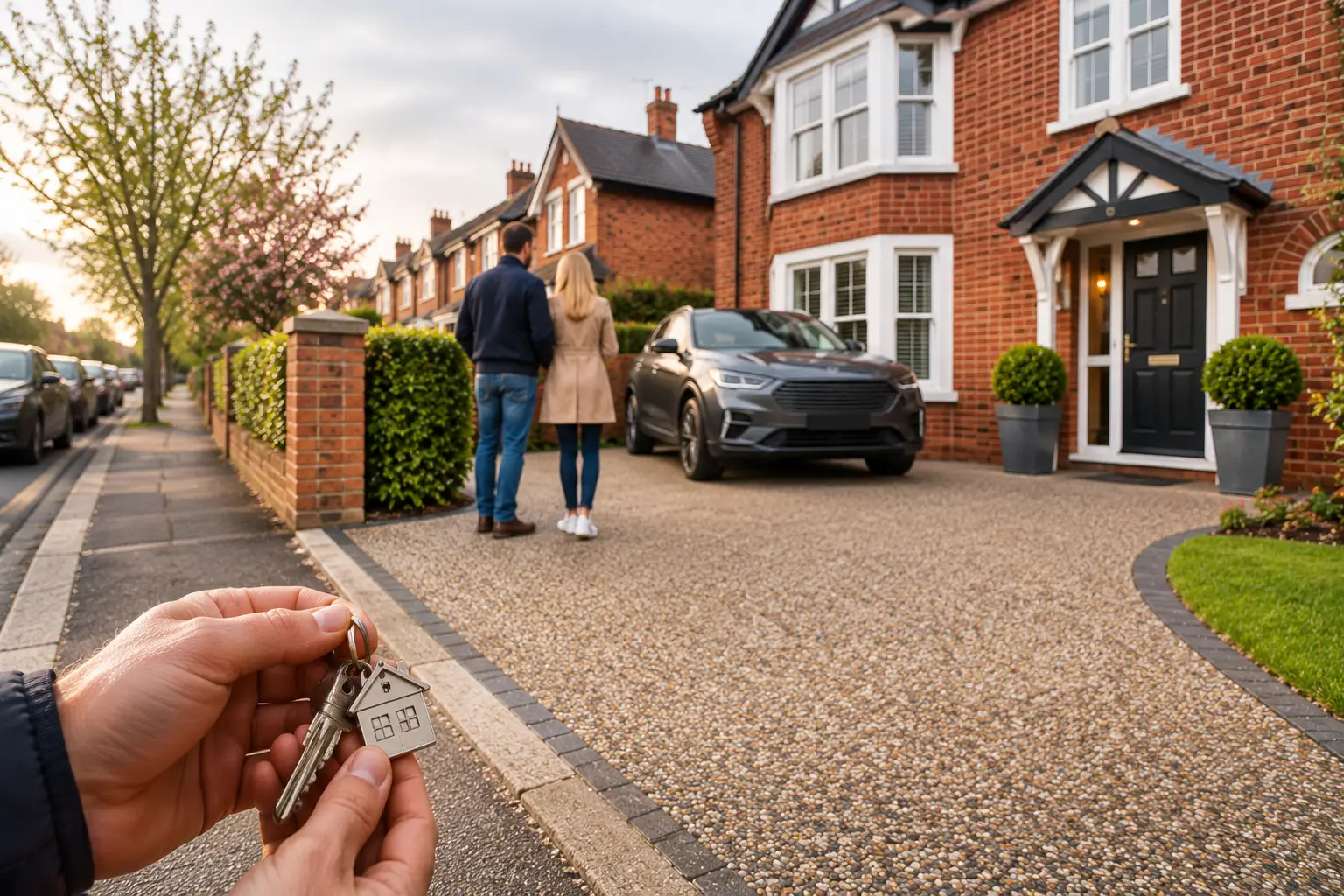
With so many new developments and a steady flow of homes on the market, standing out counts. A clean, well-finished driveway is one of the first things a buyer sees, in listing photographs and on arrival. A cracked or stained surface can suggest neglect, while a smooth, natural-stone finish tends to signal that the property has been looked after. It won’t guarantee a higher price, but it helps you avoid the discounts buyers apply when they spot visible problems.
Colour Can Complement Your Home
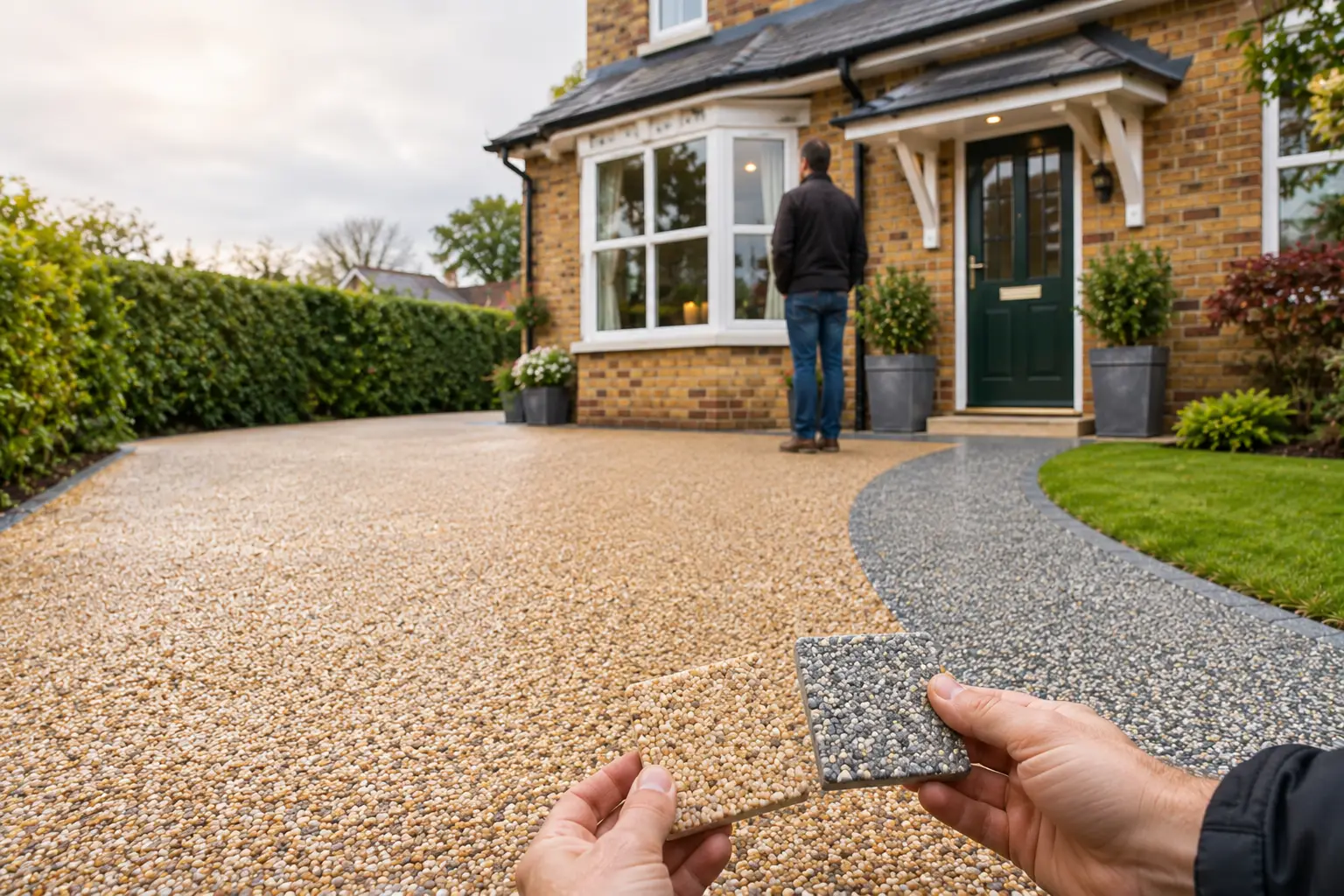
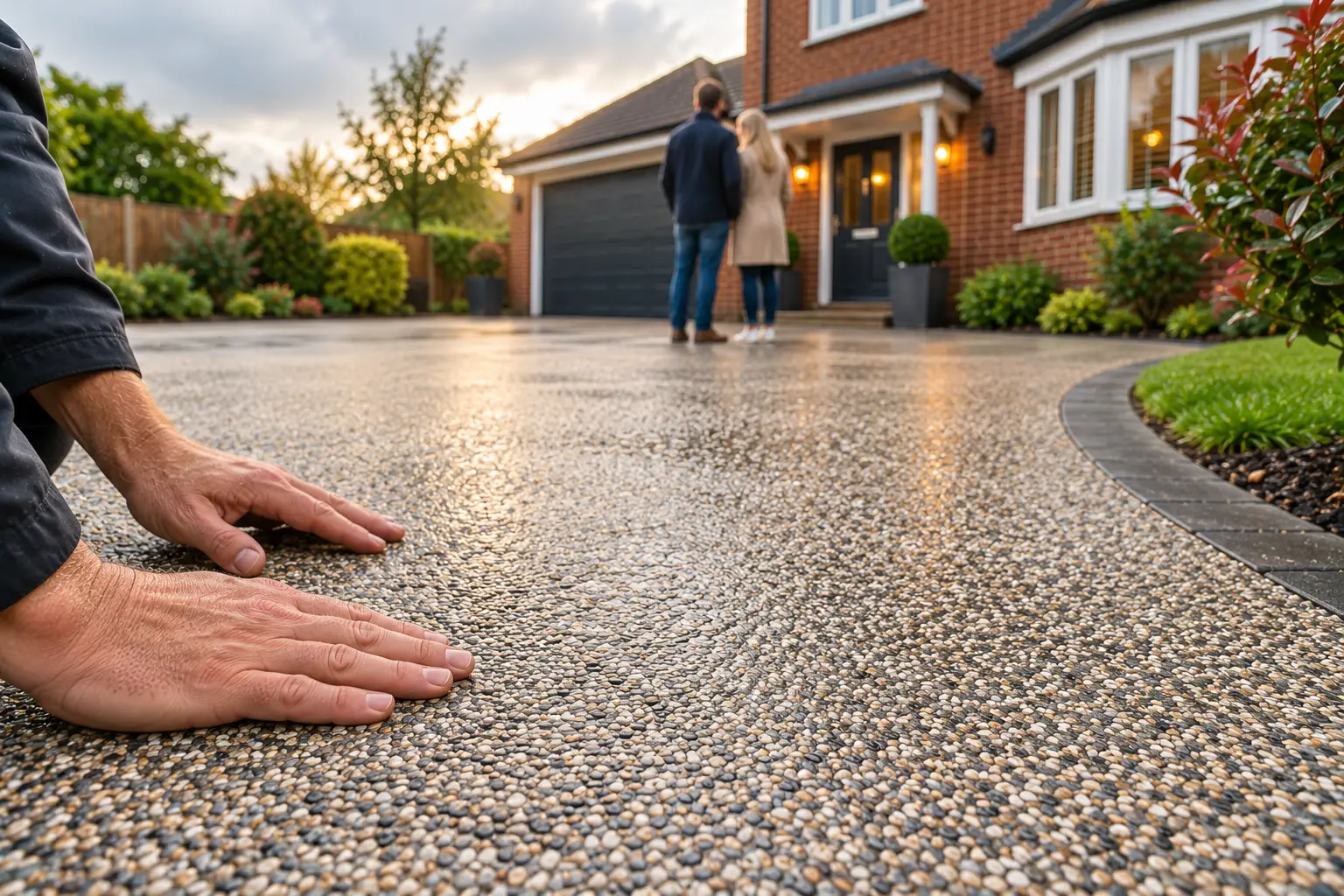
The wide choice of aggregates lets you match the driveway to your house. Warmer buff and golden tones suit red brick, which is common across Dartford’s older streets, while cooler greys and charcoals sit well with the render, cladding and darker brick of newer estates. A mid-tone blend is a safe bet if you’re undecided, since it hides everyday dirt and works with most brickwork. View samples outdoors, against your own house, before choosing.
What It Costs, and What Affects the Price
A Realistic Budget
Costs vary by size, aggregate and the amount of groundwork needed, but most UK guides put resin bound surfacing at somewhere between roughly £70 and £130 per square metre installed, with a typical two-car driveway landing in the low to mid thousands. South East labour rates tend to sit toward the upper end. MyBuilder’s price guide gives a useful benchmark, though a written quote after a site survey is the only figure that counts.
Where Savings Are Possible
If your existing tarmac or concrete is stable and draining well, resin can sometimes be laid over the top, avoiding the cost of full excavation. Cracked, sunken or poorly drained surfaces generally need to be repaired or removed first, otherwise the movement beneath will eventually show through the new finish.
Why the Cheapest Quote Is Rarely the Best
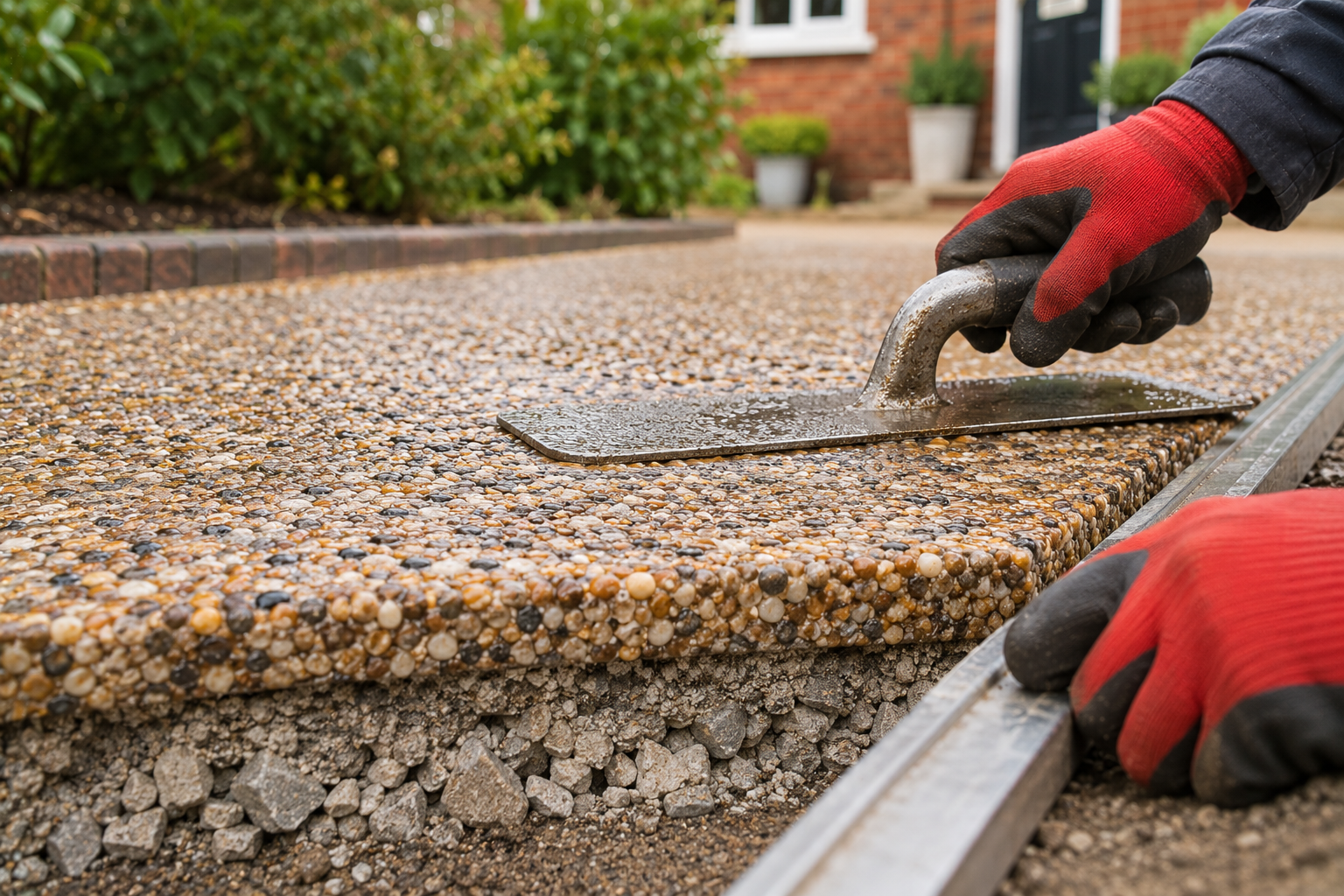
The visible resin is only part of the job. Most of the cost, and most of the risk, lies in the groundwork: excavation, a properly compacted sub-base and the right falls for drainage. Cutting corners there is the single biggest cause of early failure, which is why unusually low quotes deserve a few extra questions.
How Long It Lasts
A well-installed resin bound driveway typically lasts somewhere between fifteen and twenty-five years, noticeably longer than many tarmac surfaces and with far less upkeep than block paving. That lifespan is what makes the higher upfront price easier to justify, especially if you’re staying put. It’s worth asking for a UV-stable resin, so lighter colours don’t yellow, and getting the guarantee terms in writing.
Choosing the Right Installer in Dartford
Because so much of the work is hidden underground, who you hire matters as much as what you choose. Ask for an in-person site survey rather than a price over the phone, and ask what depth of sub-base will be used and why it suits your ground. Look at recent local projects, not stock photography, and check for public liability insurance and recognised trade accreditation. A good installer will happily answer all of this, and a vague answer on groundwork is a fair reason to look elsewhere.
Conclusion
Dartford’s mix of new-build estates, established commuter streets and growing households explains much of the appeal of resin bound driveways. They offer a smart, seamless finish, cope with modern family life, drain naturally and ask very little of you once they’re down. The rules are manageable if you check for conservation areas and Ebbsfleet restrictions first, and the lifetime value stacks up for anyone planning to stay a while. Start with a proper site survey, get a couple of detailed quotes and pay attention to the groundwork, and your new driveway should look good for many years.
Frequently Asked Questions
Do I need planning permission for a resin bound driveway in Dartford?
Usually not, provided the surface is permeable and drains properly. Properties in conservation areas, listed buildings and homes in the Ebbsfleet Garden City area may face extra requirements, so check with the relevant planning authority first.
How much does a resin bound driveway cost in Dartford?
Most guides suggest roughly £70 to £130 per square metre installed, with South East prices toward the higher end. Your final cost depends on size, aggregate and how much groundwork is needed.
Can resin bound be laid over my existing driveway?
Sometimes. If your tarmac or concrete is stable and draining well, it can often be used as a base. Damaged or sunken surfaces need repair or removal first.
Is resin bound suitable for a new-build home?
Yes, though check your developer’s contract or estate agreement for any restrictions on driveway materials or colours before booking.
How long does a resin bound driveway last?
With a proper base and installation, typically fifteen to twenty-five years, with only basic upkeep such as sweeping and the occasional rinse.