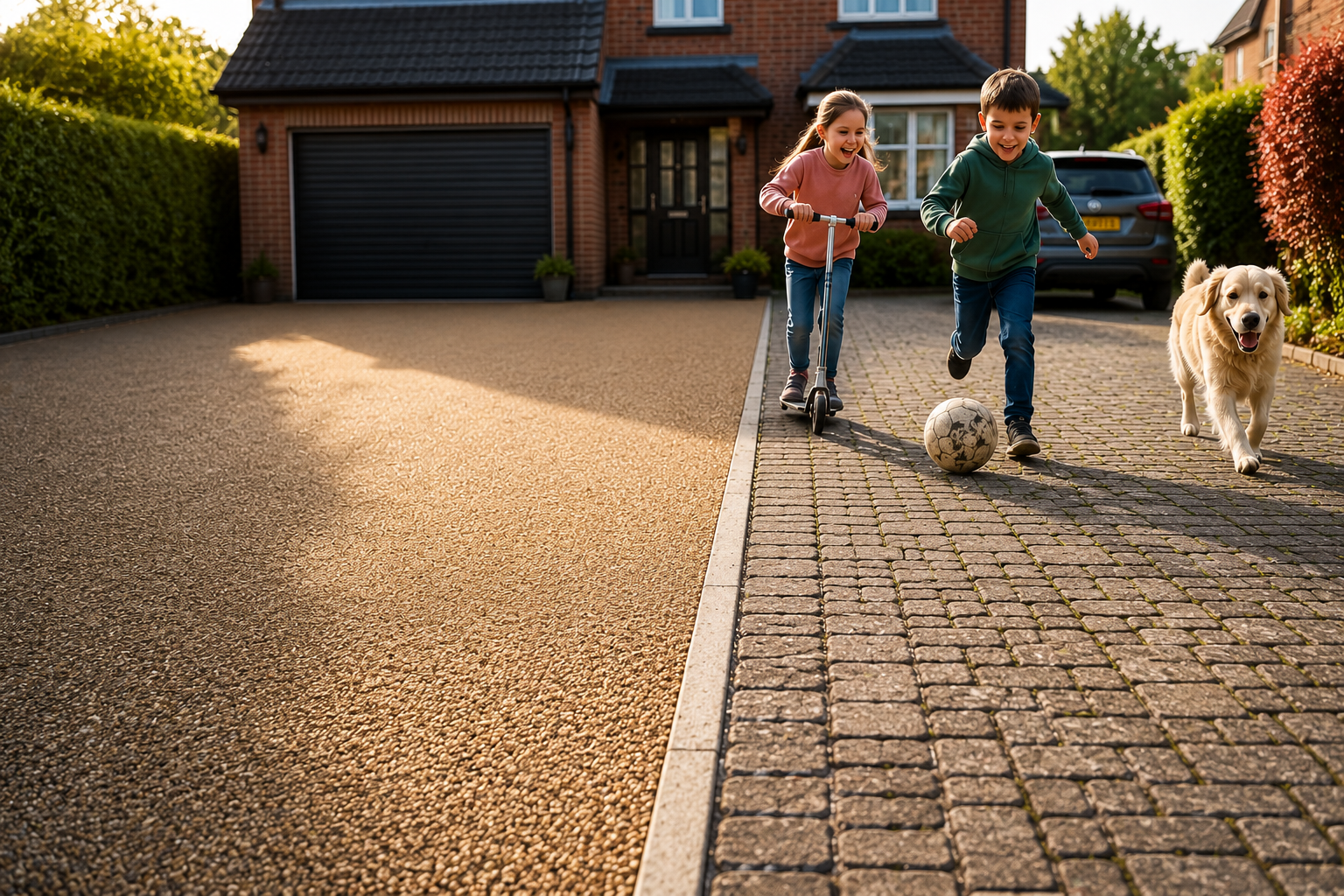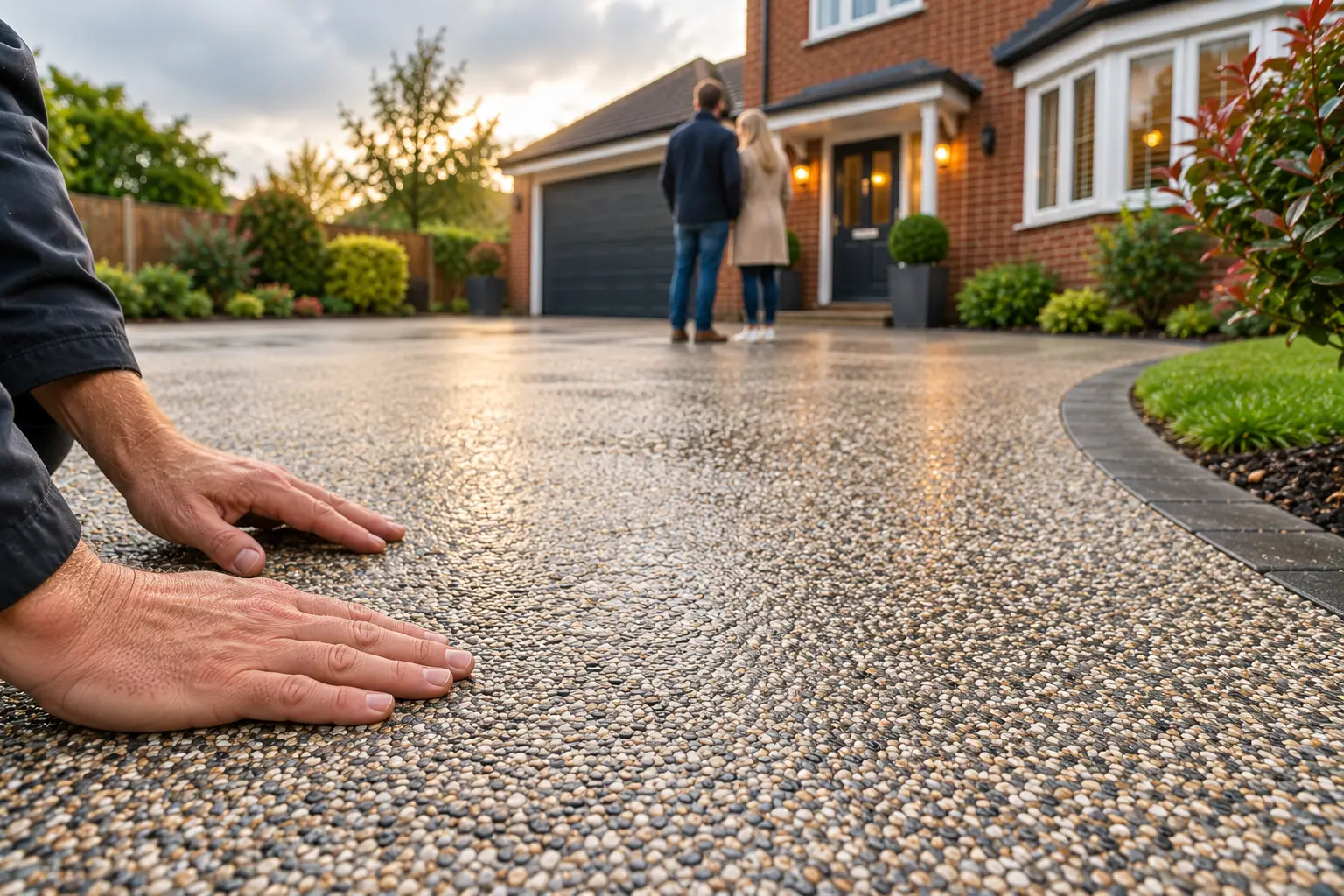
It’s the question almost everyone asks eventually, usually somewhere around the third or fourth quote landing in their inbox. Resin bound surfacing isn’t cheap, and it’s natural to wonder whether you’re paying a premium for something that’s mostly about appearances, or whether the extra cost genuinely buys you something tarmac, gravel, or block paving simply can’t offer. The honest answer is that it depends on what you’re actually optimising for — but for most UK homeowners, the case for resin bound surfacing stacks up rather well once you look past the initial price tag.
Here’s a proper, unsentimental breakdown of what you’re really paying for, what you get in return, and where resin bound surfacing genuinely earns its premium versus where it doesn’t.
What “Worth It” Actually Means Here
Value isn’t just about the cheapest upfront number. A driveway is a fifteen-to-twenty-five-year purchase, so the real question isn’t “what does it cost to install” but “what does it cost per year of use, factoring in maintenance, repairs, and how long it actually lasts before needing replacing.” Judged that way, the picture looks quite different to a simple side-by-side price comparison.
What You’re Actually Paying For
The Real Cost Range
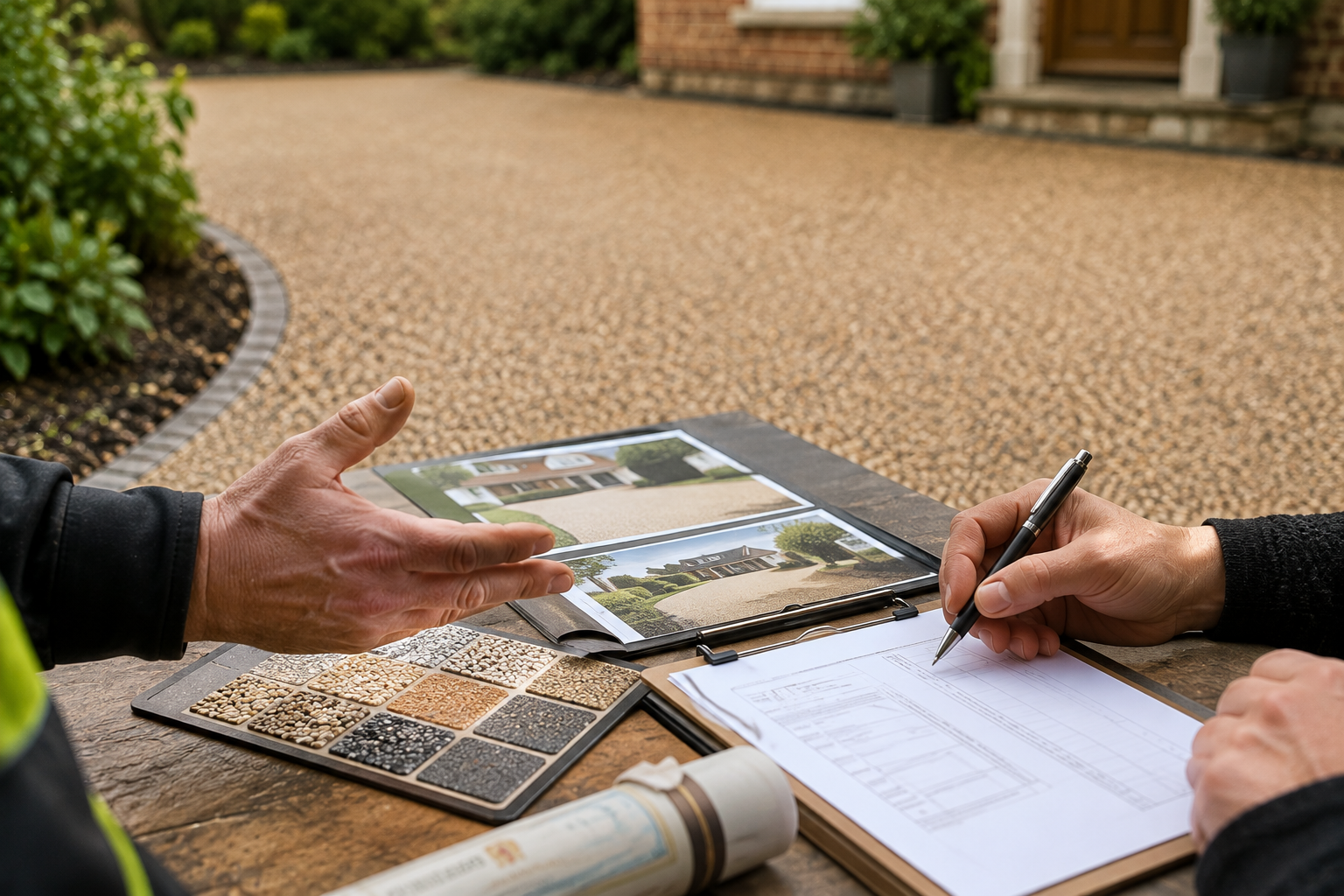
Resin bound driveways in the UK typically cost somewhere between £50 and £100 per square metre installed, with the final figure depending heavily on aggregate choice, driveway size, and how much groundwork the existing surface needs. A standard 50 to 60 square metre driveway usually lands somewhere between £2,500 and £6,000 fully installed. That’s noticeably more than tarmac, which tends to sit around £45 to £65 per square metre, or resin bonded surfacing, which can come in as low as £40 per square metre.
Why the Groundwork Costs More Than People Expect
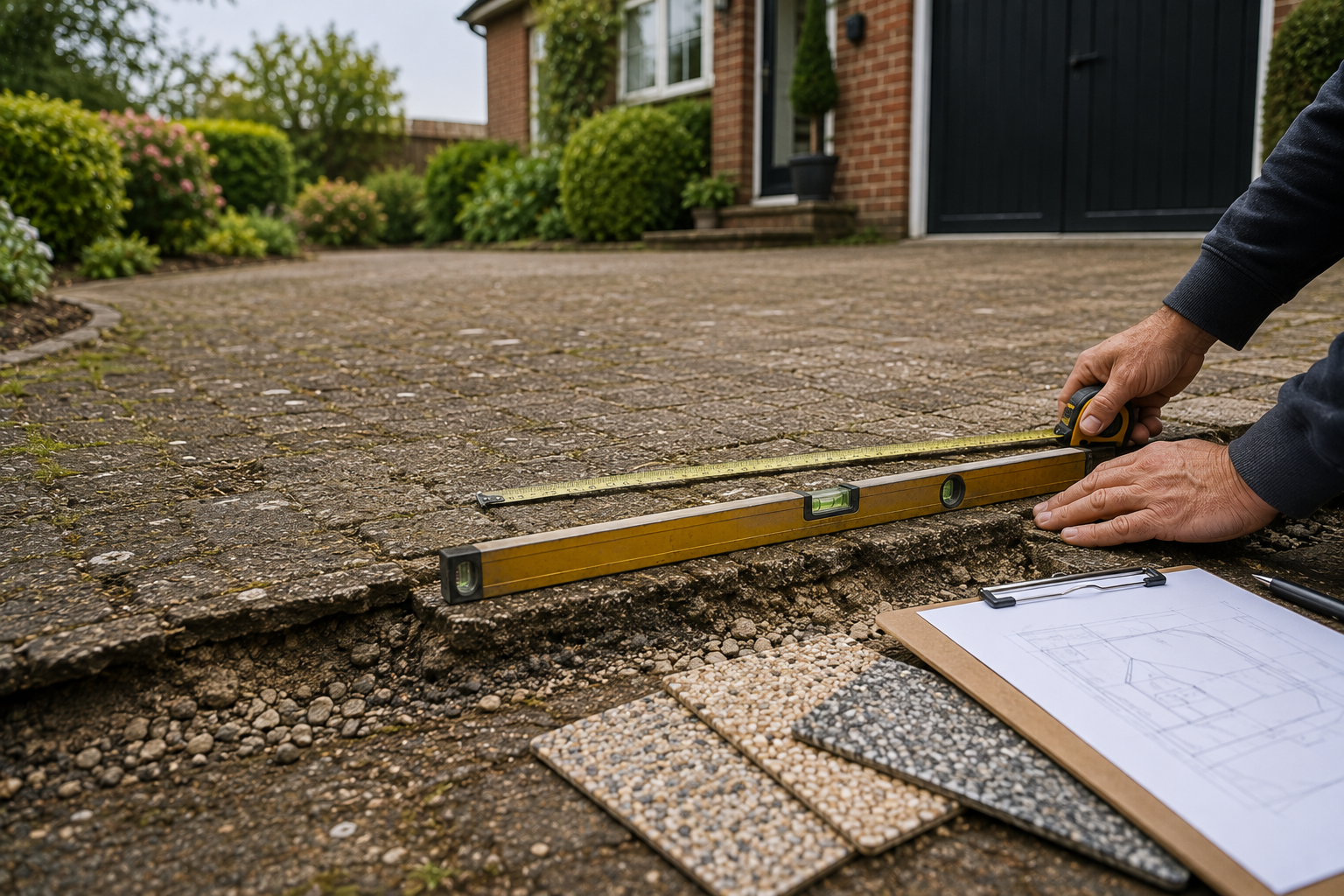
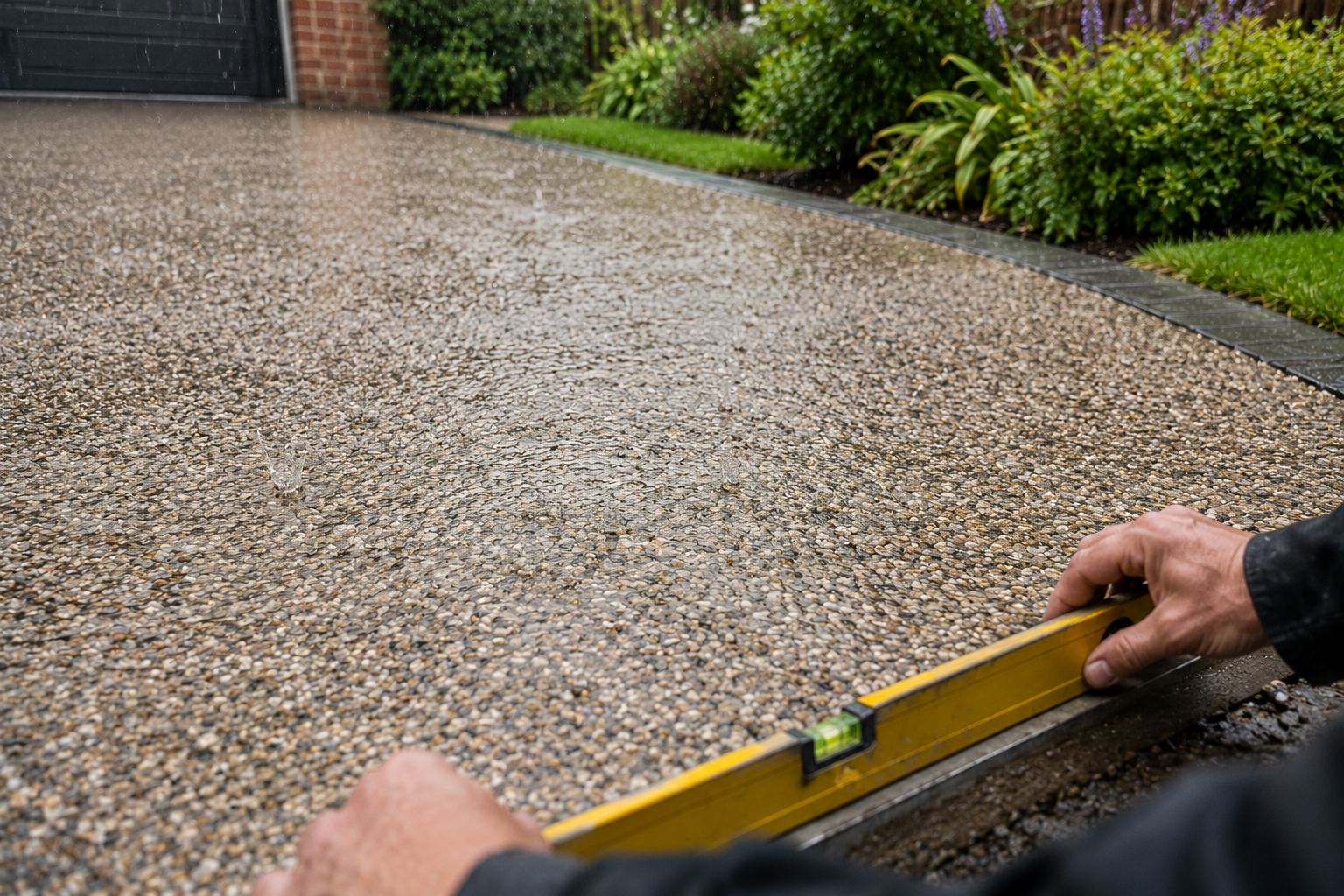
A large chunk of that price isn’t the visible resin surface at all — it’s what goes underneath it. Proper excavation, a correctly compacted MOT-graded sub-base, and accurate drainage falls all take time and skill, and none of it is visible once the job’s finished. This invisible groundwork is precisely what separates a driveway that lasts twenty-five years from one that starts cracking or pooling within a couple of winters, and it’s why unusually cheap quotes should always be treated with a degree of suspicion.
Lifespan Changes the Maths Considerably
How Long a Properly Installed Driveway Actually Lasts
A well-installed resin bound driveway typically lasts fifteen to twenty-five years, considerably longer than tarmac’s usual ten-to-fifteen-year lifespan, or resin bonded surfacing, which often needs retreating within five to eight years as the thin surface bond degrades and stones begin to shed. Spread the cost of a resin bound driveway across its realistic lifespan and the annual cost often works out lower than repeatedly resurfacing a cheaper alternative every decade or so.
Why Cheaper Options Can Cost More Over Time
This is where the “it’s too expensive” argument tends to fall apart under scrutiny. Resin bonded surfacing, tarmac, and budget block paving are all genuinely cheaper to install, but each comes with a shorter realistic lifespan and higher ongoing maintenance demands — repeated resealing, patch repairs, re-sanding joints, or full resurfacing well before a resin bound driveway would need any attention at all. The gap in total lifetime cost narrows considerably, and in some cases reverses entirely, once you account for that.
Maintenance Is Where Resin Bound Really Pulls Ahead
What Ongoing Upkeep Actually Looks Like
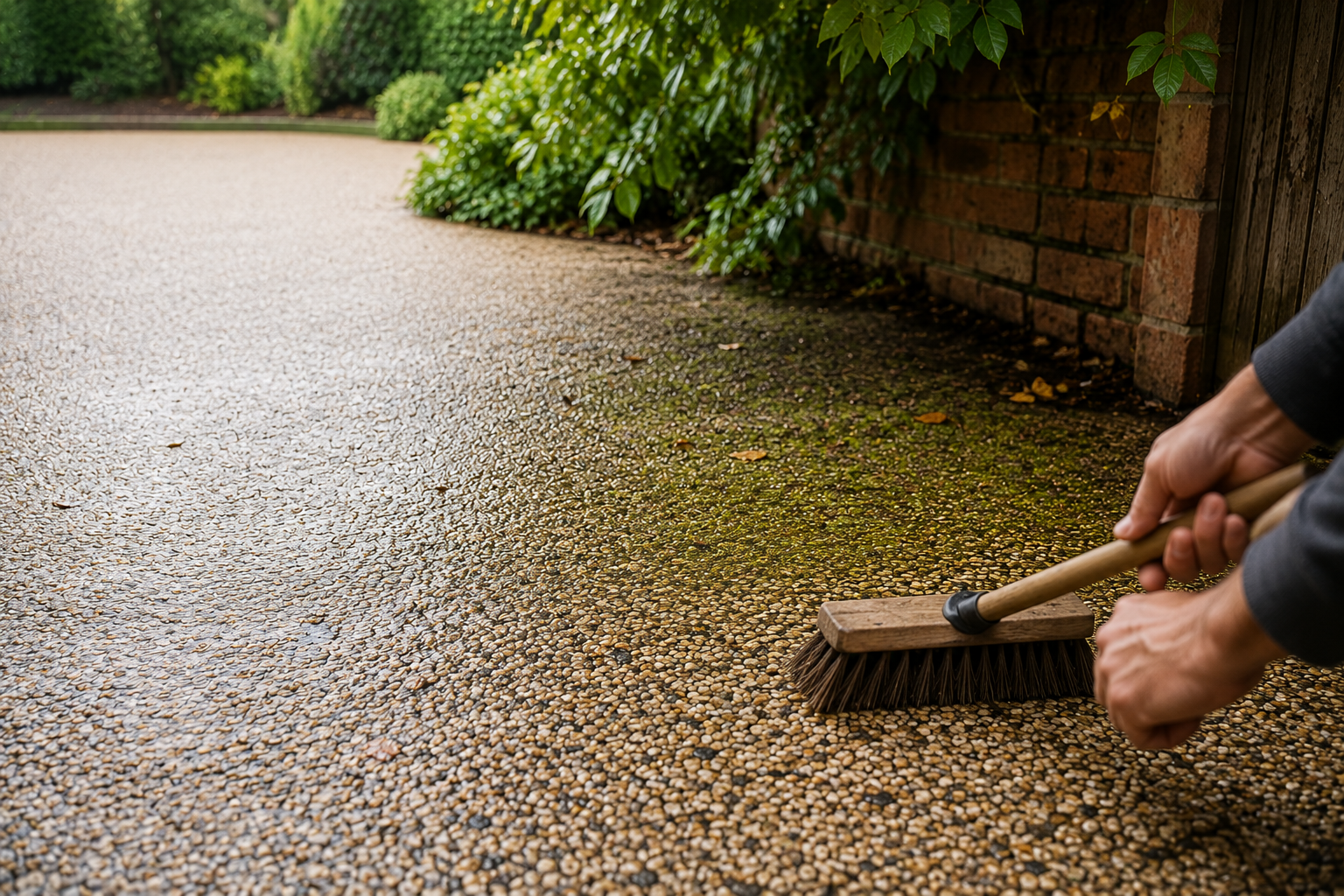
A resin bound surface asks very little of you once it’s down. There are no joints for weeds to establish in, no jointing sand to top up, and no loose stones to redistribute. Realistic maintenance amounts to an occasional sweep, a low-pressure rinse to clear algae or moss, and a reseal roughly every eight to ten years if the colour has started to dull — considerably less demanding than block paving’s ongoing weeding and re-sanding, or tarmac’s tendency to crack and require patch repairs as it ages.
Why This Matters for Total Cost, Not Just Convenience
It’s tempting to think of low maintenance purely as a lifestyle benefit, but it has a genuine financial dimension too. Every patch repair, reseal, or resurfacing job on a cheaper alternative is money spent that a resin bound driveway simply doesn’t ask for across a comparable stretch of time.
Drainage and Planning Compliance Add Real Value
Avoiding Planning Permission Costs and Delays
A properly installed, permeable resin bound driveway generally satisfies UK planning rules on front garden surfaces without requiring planning permission, according to guidance from the Planning Portal. Non-permeable surfaces over five square metres, by contrast, may require permission or additional drainage provision — an extra cost and delay that a permeable resin bound system typically sidesteps entirely.
Reducing Water Pooling and Related Damage
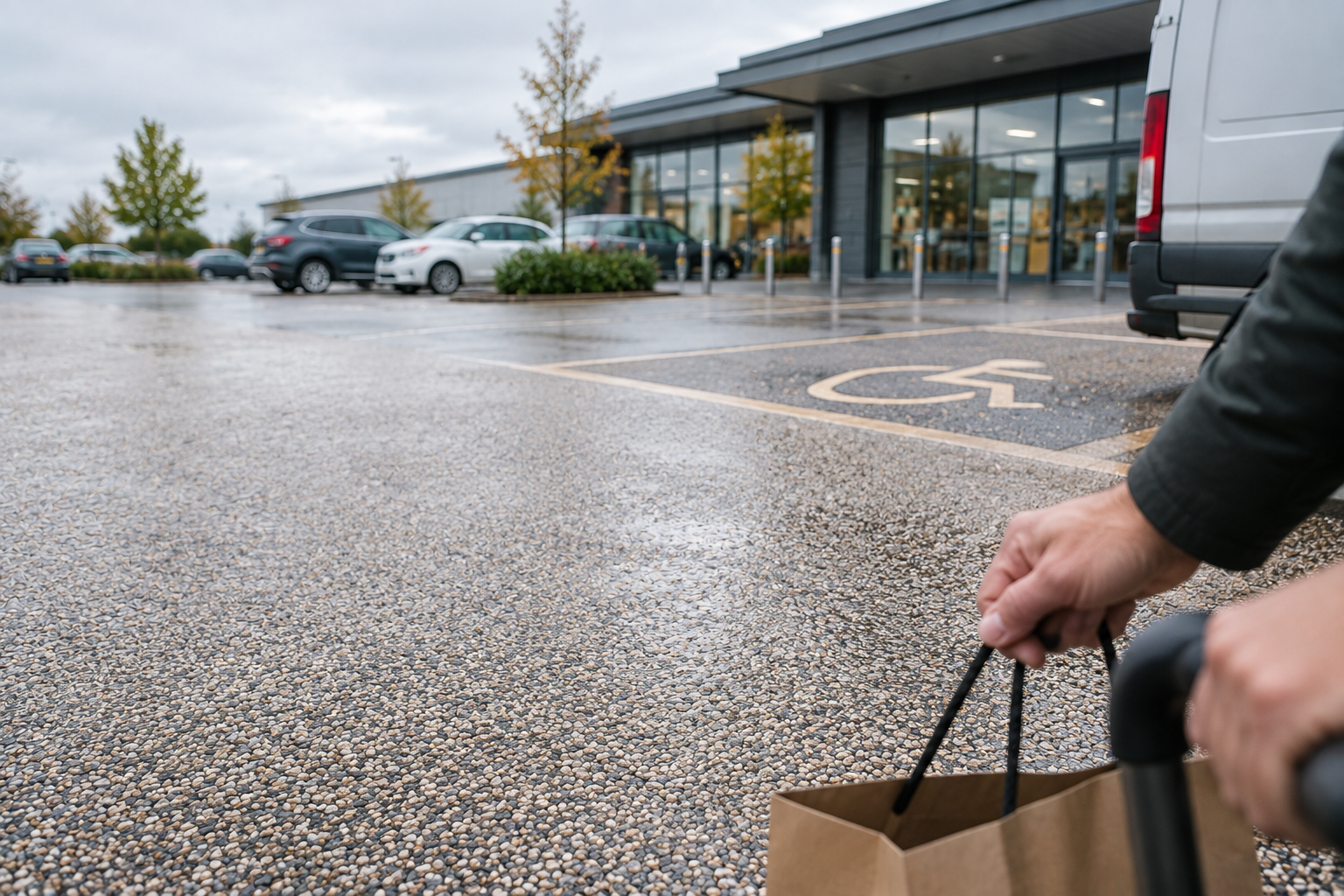
Because resin bound surfacing drains through the entire surface rather than relying on gradients and channels, it significantly reduces standing water compared with tarmac or poorly draining block paving. Beyond the obvious practical benefit, this also reduces the risk of freeze-thaw damage in winter, which is one of the leading causes of cracking and pothole formation in less permeable surfaces.
Kerb Appeal and Property Value
First Impressions Genuinely Affect Sale Price
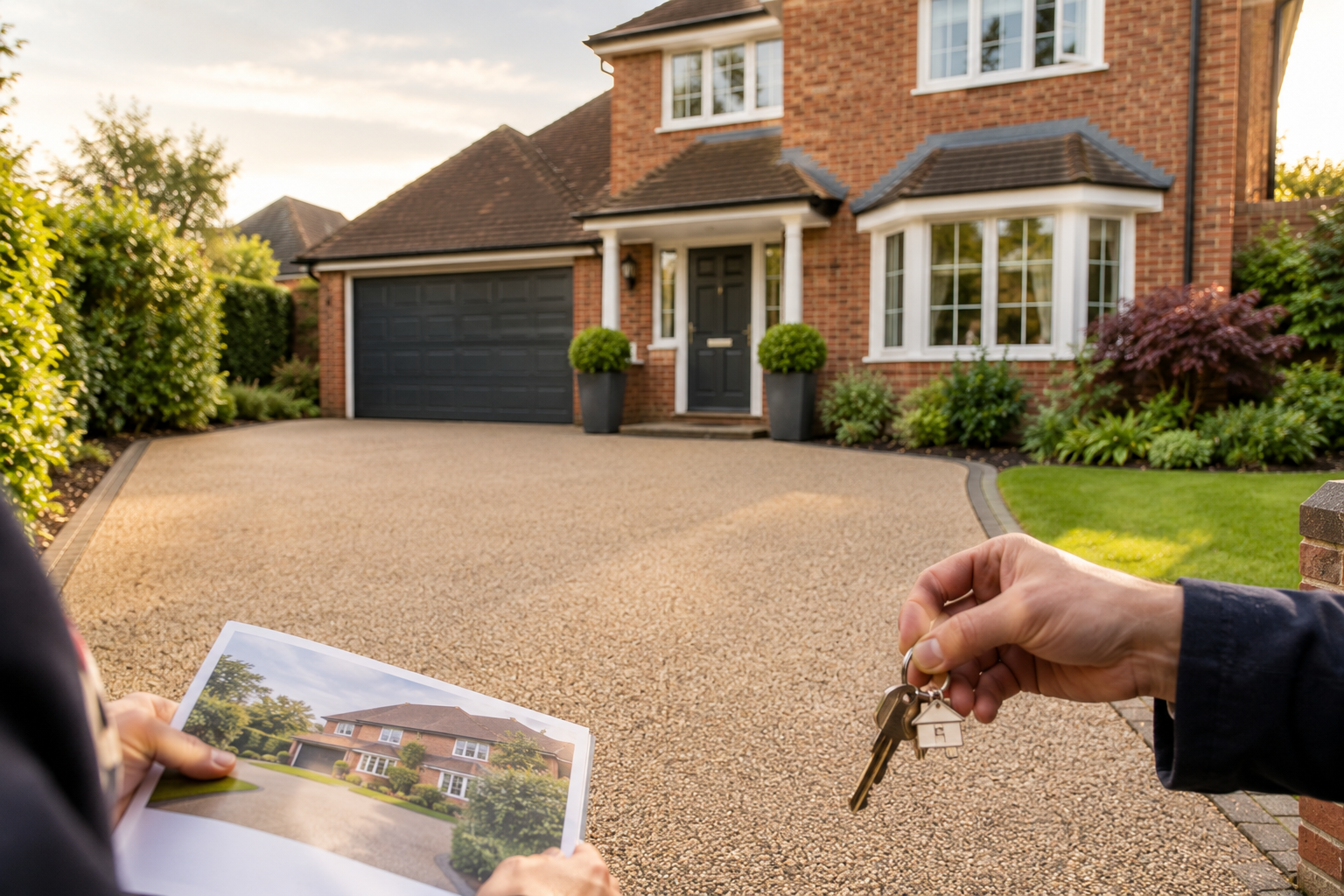
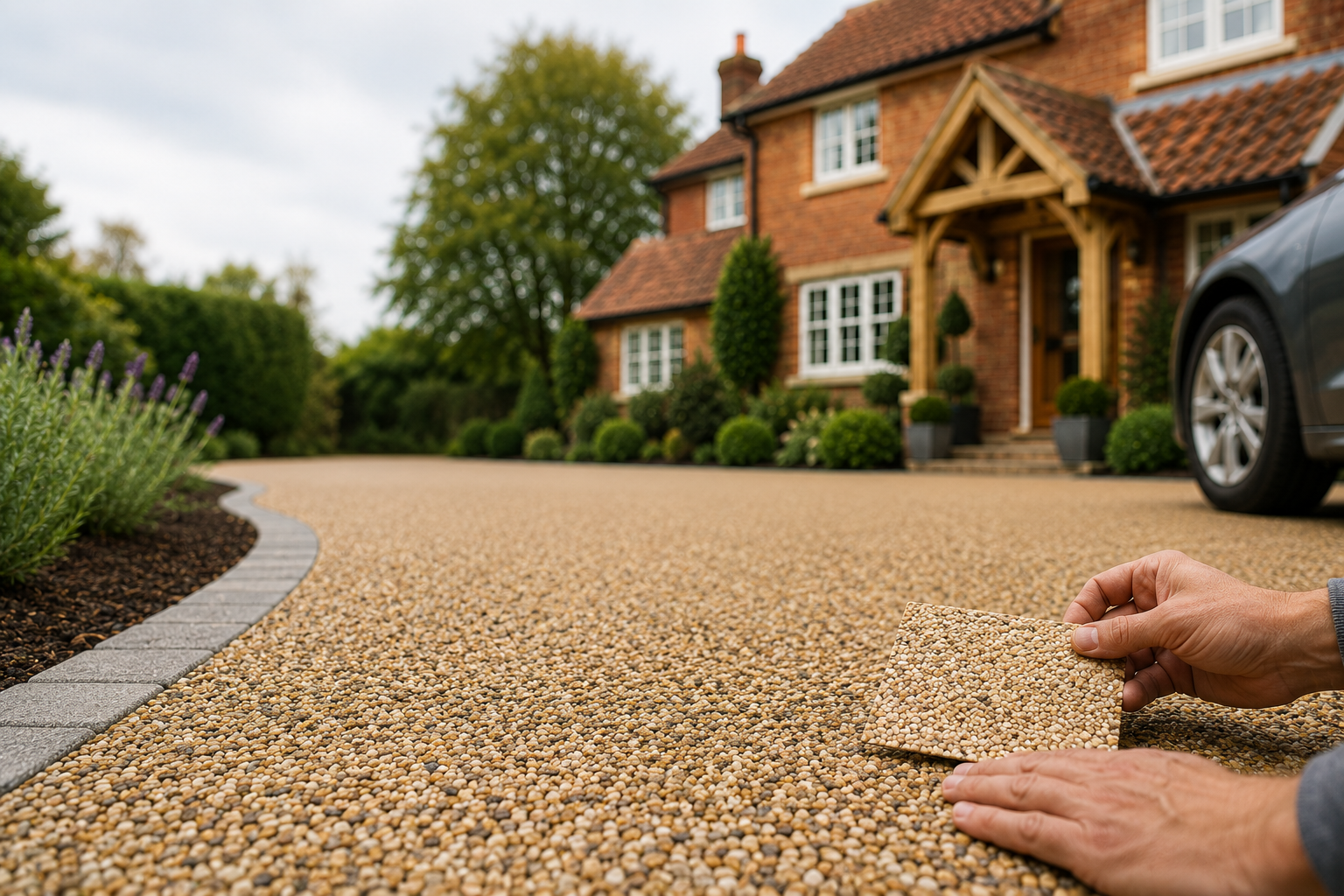
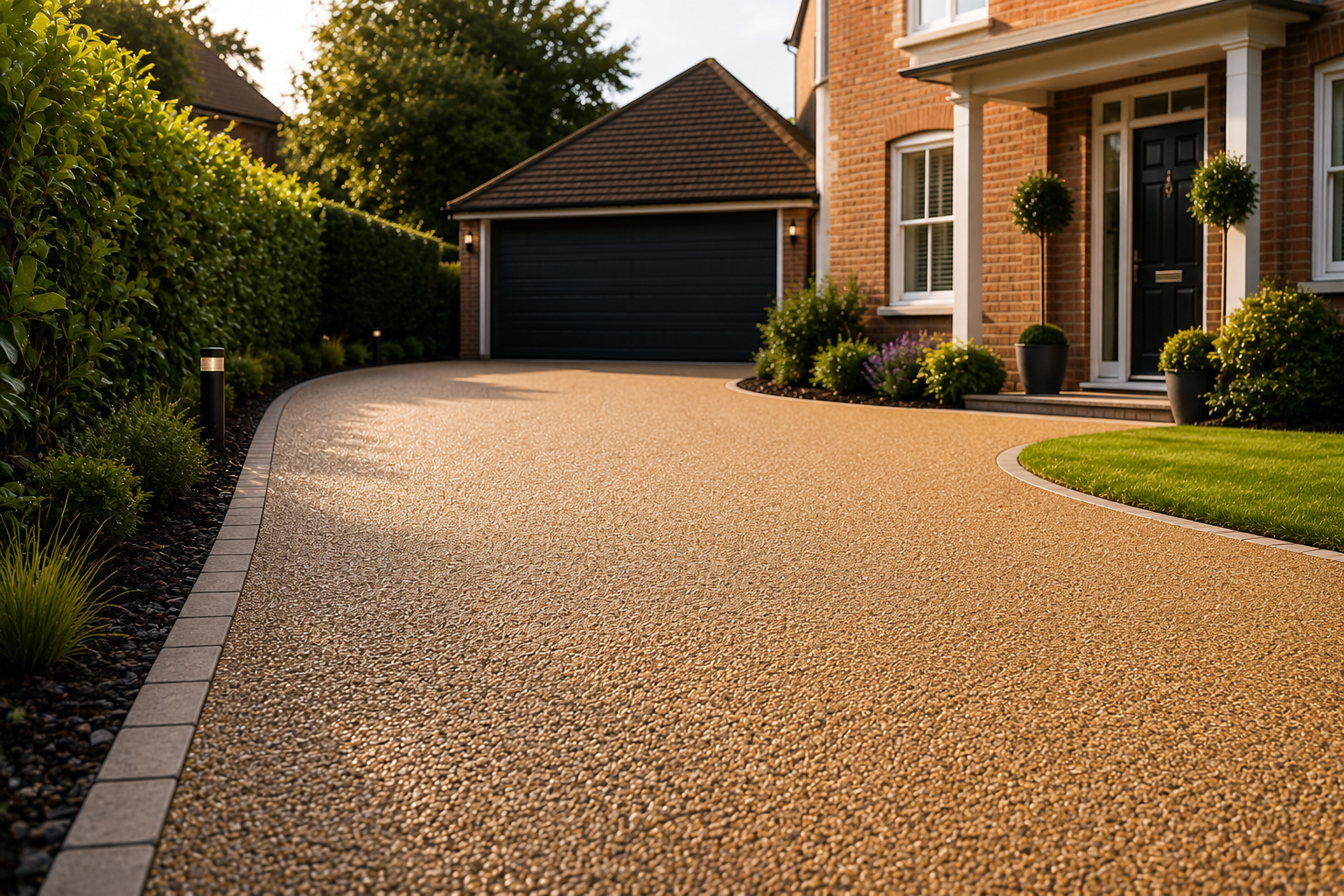
Research from the HomeOwners Alliance has found that a large majority of buyers say first impressions are central to how they judge a property, and kerb appeal — driveways included — plays a direct role in that snap judgement. A clean, seamless resin bound finish tends to photograph and present considerably better than tired tarmac or gap-ridden block paving, which matters both for everyday enjoyment of your home and for resale value down the line.
A Premium Finish That Signals Upkeep
Buyers and visitors alike tend to read a well-finished driveway as a sign the rest of the property has been looked after too. That perception, while intangible, genuinely influences how a property is received — both socially and financially.
Where Resin Bound Surfacing Isn’t the Obvious Choice
If Upfront Budget Is Your Absolute Priority
If you’re working to a tight, fixed budget and don’t plan to stay in the property long enough to benefit from resin bound’s longer lifespan, a cheaper option like tarmac or resin bonded surfacing may genuinely make more sense in the short term, even accounting for its shorter lifespan.
If Installation Quality Can’t Be Guaranteed
Resin bound surfacing’s biggest weakness isn’t the material — it’s inconsistent installation quality across the industry. A poorly mixed or badly prepared resin bound driveway can fail within a few years, wiping out the entire value proposition. This makes choosing an experienced, reputable installer arguably more important than the material choice itself.
So, Is It Actually Worth It?
For most UK homeowners planning to stay put for several years, the answer leans firmly towards yes. The higher upfront cost is real, but it’s offset by a longer lifespan, meaningfully lower maintenance, straightforward planning compliance, and a finish that supports rather than undermines property value. The exceptions are narrow — very tight short-term budgets, or a genuine risk of poor installation quality — and both of those are manageable with the right research and the right installer.
Conclusion
Resin bound surfacing costs more to install than tarmac, resin bonded, or budget block paving, and there’s no getting around that. But judged over its realistic fifteen-to-twenty-five-year lifespan, factoring in maintenance, drainage compliance, and kerb appeal, it’s a genuinely strong investment for most households rather than an expensive indulgence. The real risk isn’t the material — it’s cutting corners on installation to save money upfront, which is exactly where the value proposition falls apart.
Frequently Asked Questions
Is resin bound paving worth the extra cost compared to tarmac?
For most homeowners planning to stay in their property for several years, yes. Its longer lifespan and lower maintenance needs generally offset the higher upfront cost over time.
How much does a resin bound driveway cost in the UK?
Most resin bound driveways cost between £50 and £100 per square metre installed, with a standard 50 to 60 square metre driveway typically ranging from £2,500 to £6,000.
How long does a resin bound driveway actually last?
A properly installed resin bound driveway typically lasts fifteen to twenty-five years, considerably longer than tarmac or resin bonded alternatives.
Does a resin bound driveway need planning permission?
Usually not, provided it’s properly permeable and drains water naturally rather than onto the road, in line with UK planning rules.
What’s the biggest risk to a resin bound driveway’s value for money?
Poor installation quality is the main risk. A badly prepared sub-base or incorrectly mixed resin can cause early failure, undermining the entire cost-benefit case.