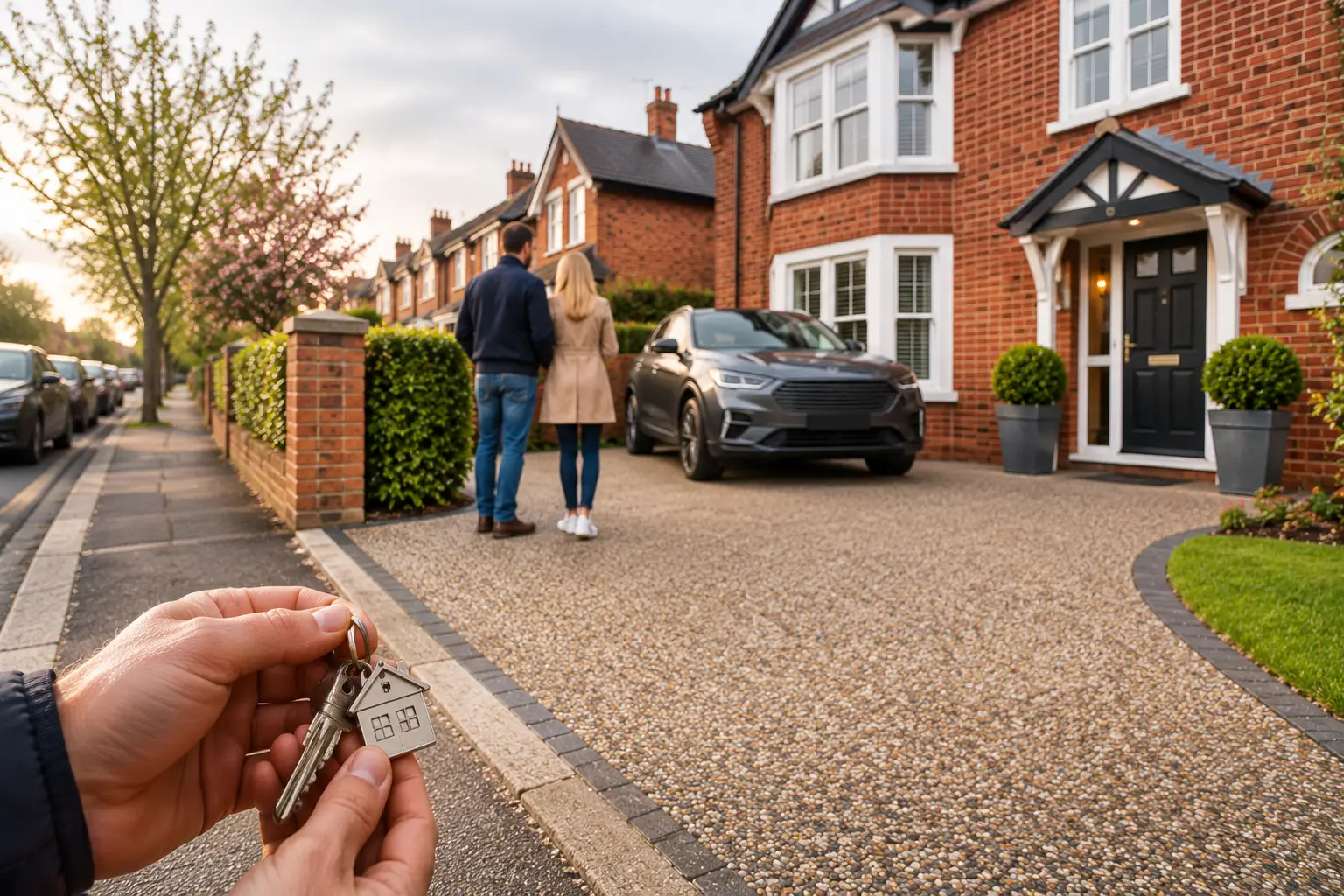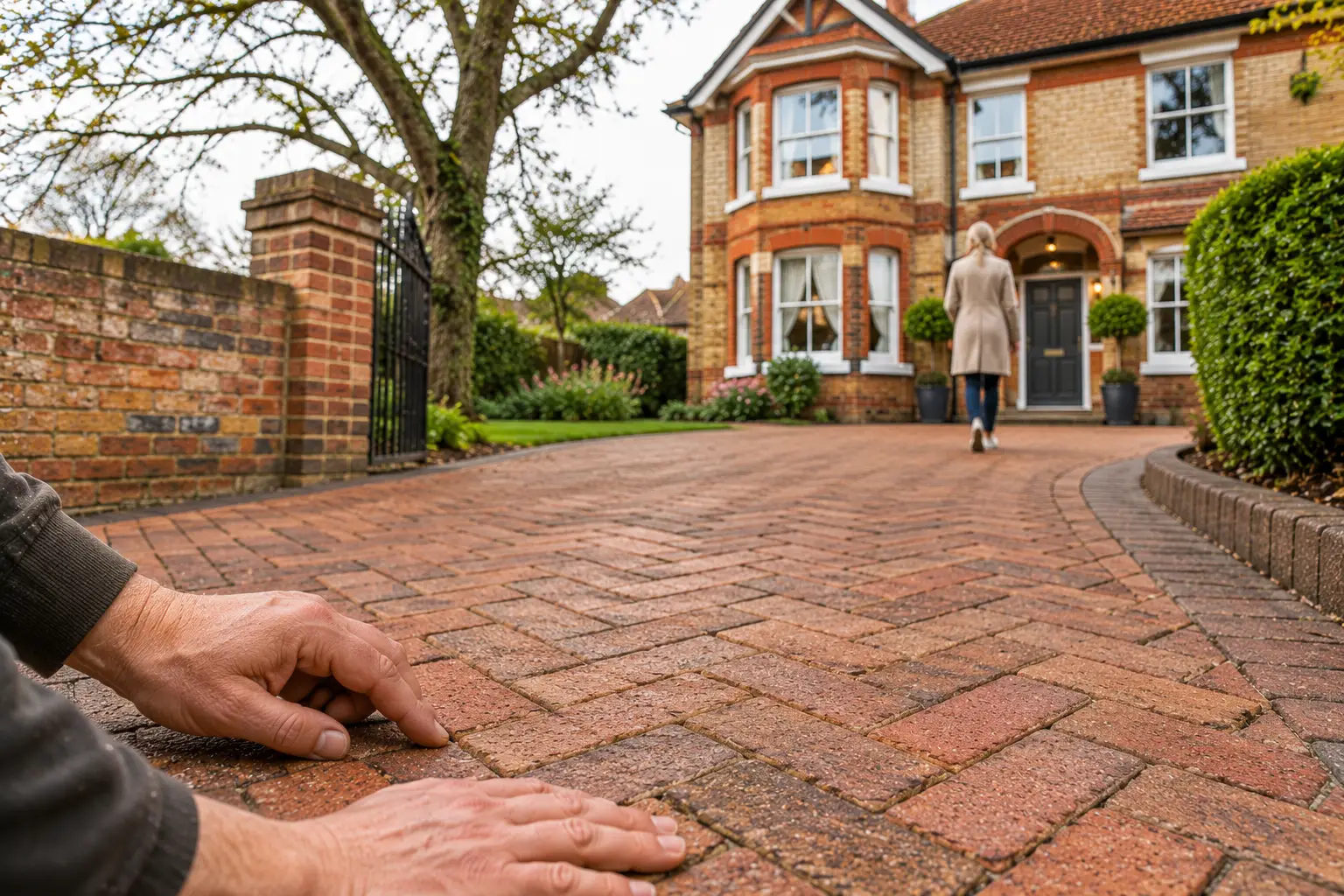
Drive through the older streets of Tunbridge Wells, Faversham, Sevenoaks or Canterbury and you’ll notice something. Alongside the occasional sleek, modern surface, there’s a lot of block paving. Herringbone drives in warm brick tones sit comfortably in front of Victorian villas, Georgian terraces and Kentish cottages, and the effect somehow looks like it was always there.
It’s easy to assume that’s just habit, but there are real reasons behind it. For period properties in particular, block paving solves problems that other surfaces handle less gracefully, from planning sensitivities to matching traditional materials. Here’s why it keeps winning out on older Kent homes, and what to keep in mind if you’re weighing it up yourself.
It Looks Like It Belongs
Period houses in Kent are built from a recognisable palette: warm red and yellow stock brick, clay tile, weatherboarding, flint and local stone. A driveway has to share a frontage with all of that, and a flat, seamless modern surface can feel at odds with it. Block paving is made of small, individual units laid in a pattern, which echoes the texture and scale of brickwork and tiling already on the house.
Natural-looking clay and brick-effect blocks in earthy reds, buffs and muted charcoals pick up the tones of the building rather than fighting them. Patterns such as herringbone and stretcher bond have a long, traditional pedigree, so they feel appropriate rather than imposed. For a homeowner who wants the driveway to look like part of the original setting, that visual continuity is a big part of the appeal.
Planning and Conservation Area Considerations
Why Planning Sensitivity Matters More in Older Areas
Kent has plenty of designated conservation areas, and many period properties sit inside one. The rules for paving a front garden are the same across England in principle, but conservation areas add another layer of scrutiny. According to Historic England, residents in these areas may need permission from the council before making changes such as laying paving or building walls. Some councils also use Article 4 directions to remove certain permitted development rights, so even work that would be allowed elsewhere may need an application.
Traditional Materials Tend to Get an Easier Hearing
Planners reviewing proposals in historic streets generally look favourably on materials that suit the character of the area. Clay pavers, natural stone and brick-style blocks tend to sit comfortably in those applications because they have the warmth and texture of traditional surfaces. Block paving in appropriate colours and a classic pattern is often an easier case to make than a stark, contemporary finish.
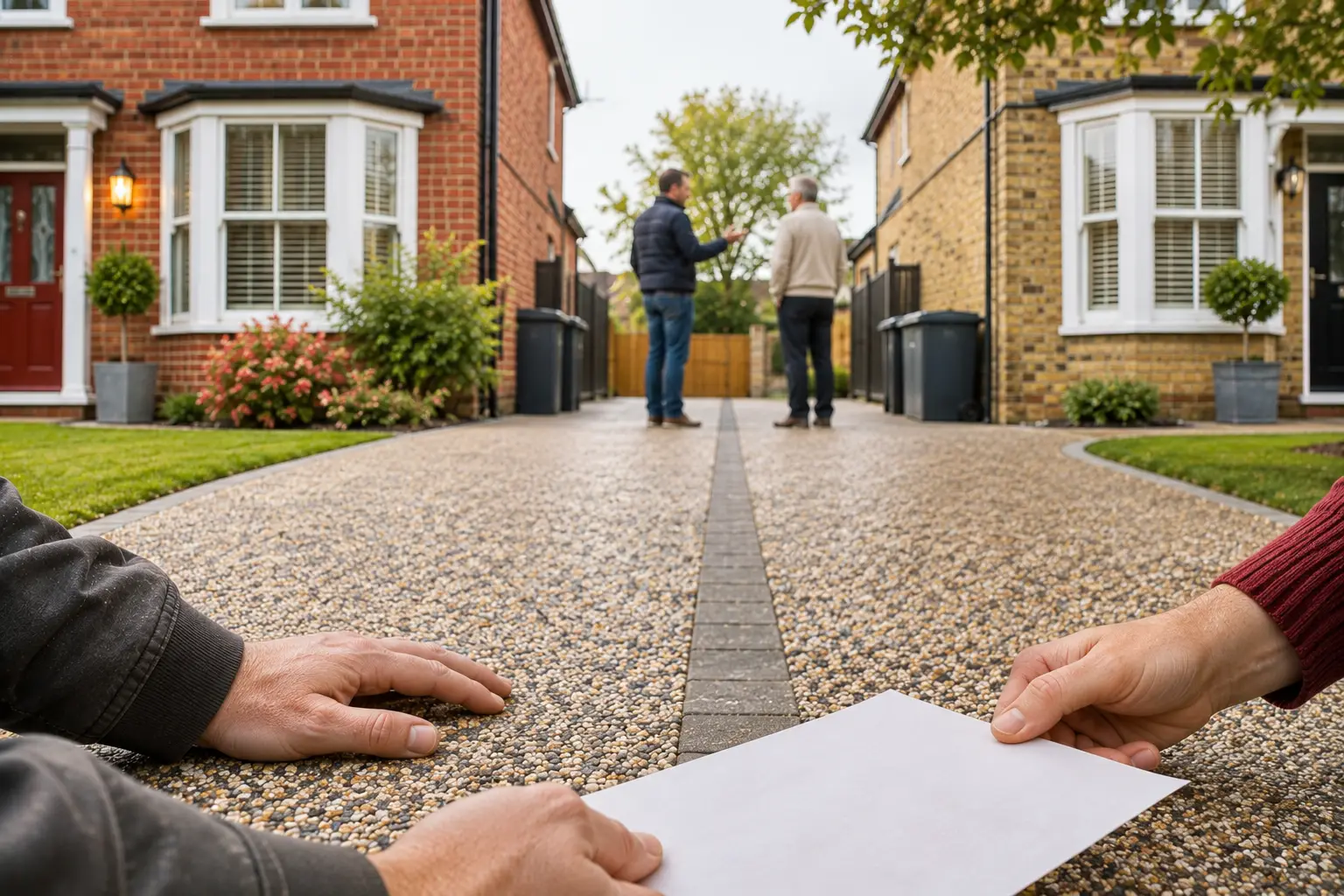
That doesn’t mean approval is guaranteed. It’s worth contacting your local planning authority early, particularly if your home is listed, because Historic England notes that listed properties and those in conservation areas receive protection for their gardens and surroundings too. Consent may be needed to alter front walls, gateways and boundaries, and these are often as important to the planners as the surface itself.
Drainage Still Applies
Whatever the surface, the national rule about front garden drainage still holds. As set out by the Planning Portal, paving an area over five square metres generally needs planning permission unless the surface is permeable or rainwater is directed to a lawn, border or soakaway within the property. Permeable block paving, which uses special joints to let water through to an engineered base, can meet this requirement while keeping the traditional look.
Practical Reasons Homeowners Stay Loyal to Block Paving
Repairs Are Straightforward
One of block paving’s most underrated strengths is how easy it is to fix. A damaged, stained or sunken area can be lifted, the base reinstated and the same blocks relaid, usually without anyone noticing afterwards. With older properties, where drains, pipes and cables may need accessing from time to time, that flexibility matters. A continuous surface has to be cut out and patched, which can leave a visible mark.
It Copes With Awkward Layouts
Period homes rarely come with neat, rectangular drives. You get curves, angles, narrow gateways, existing steps, old manhole covers and the odd level change. Because block paving is made of small units, it can be cut and shaped to follow these awkward outlines and to fit neatly around obstacles. Borders, contrasting edging and inlays also let you reflect the architecture, such as a soldier course that echoes the brick detailing on the house.
It Handles Settlement and Movement Well
Older properties and the ground around them can shift gently over time. Block paving is flexible by nature, with tiny gaps between each unit allowing a little movement without the surface cracking in a long, visible line. If part of it does settle, the affected blocks can be lifted and relaid.
Proven Durability When Properly Installed
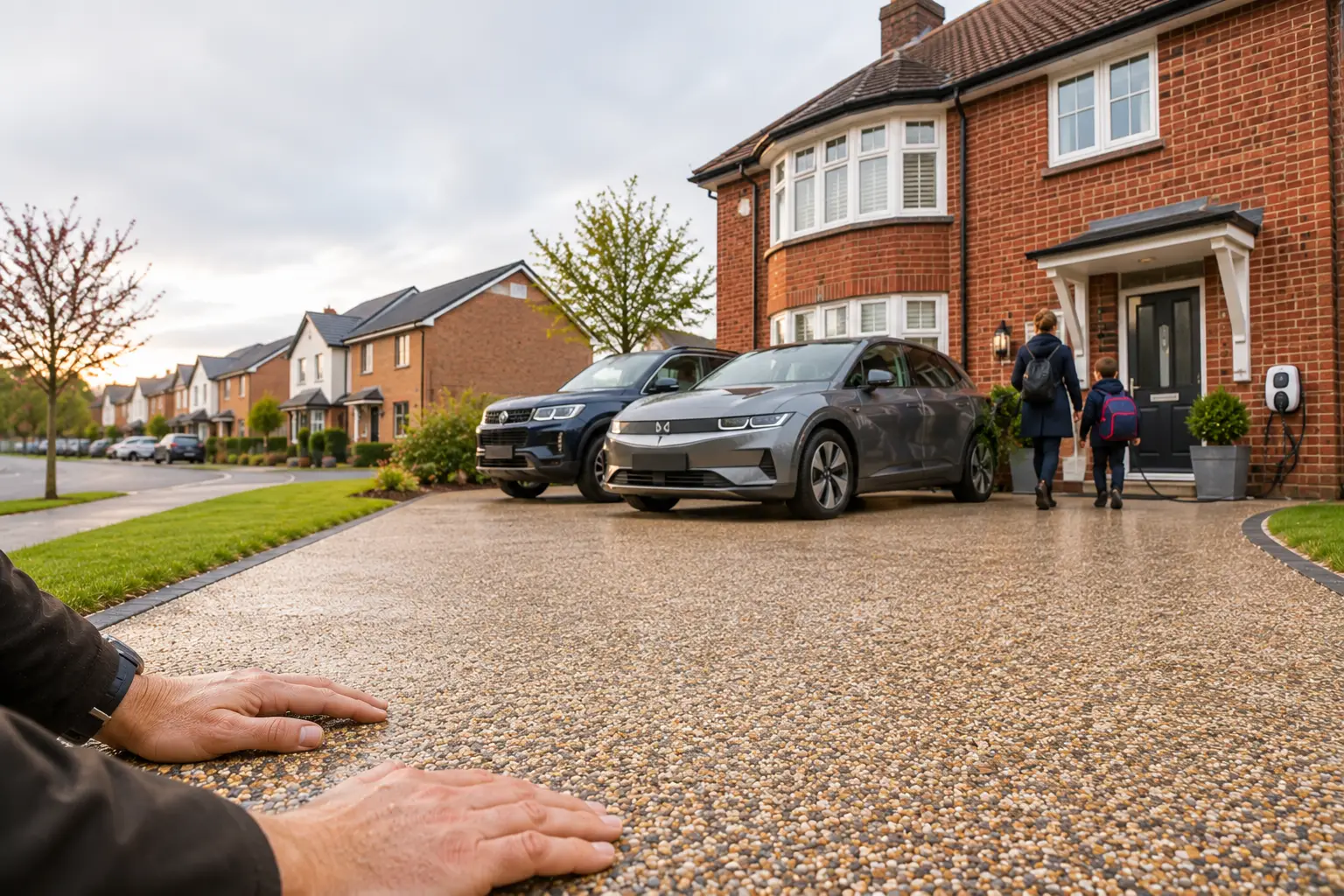
Well-installed block paving is a durable, hard-wearing surface that copes with vehicles, weather and decades of use, and the product itself has been used on British driveways for a long time. The key is the base. A correctly compacted sub-base, appropriate edge restraint and the right bedding layer are what keep a block-paved drive tight and level, and this is where a good installer earns their money.
The Honest Trade-Offs
Maintenance Takes a Little More Effort
Block paving does ask more of you than some alternatives. Weeds and moss can take hold in the joints, jointing sand may need topping up, and shaded corners can go green. The Royal Horticultural Society explains that algae and moss establish readily on hard surfaces in damp, shady spots, which describes plenty of older Kent gardens with mature trees and tall hedges. A regular sweep, an occasional gentle wash and refreshing the joints keep things in good order.
Sealing and Joint Choice Make a Difference
Many installers recommend sealing the surface and using a polymeric jointing compound that hardens in the joints, which helps resist weeds and stops sand washing out. It’s worth discussing the options, though, as the choice can affect permeability and how the surface ages.
Cheaper Isn’t Always Better Value
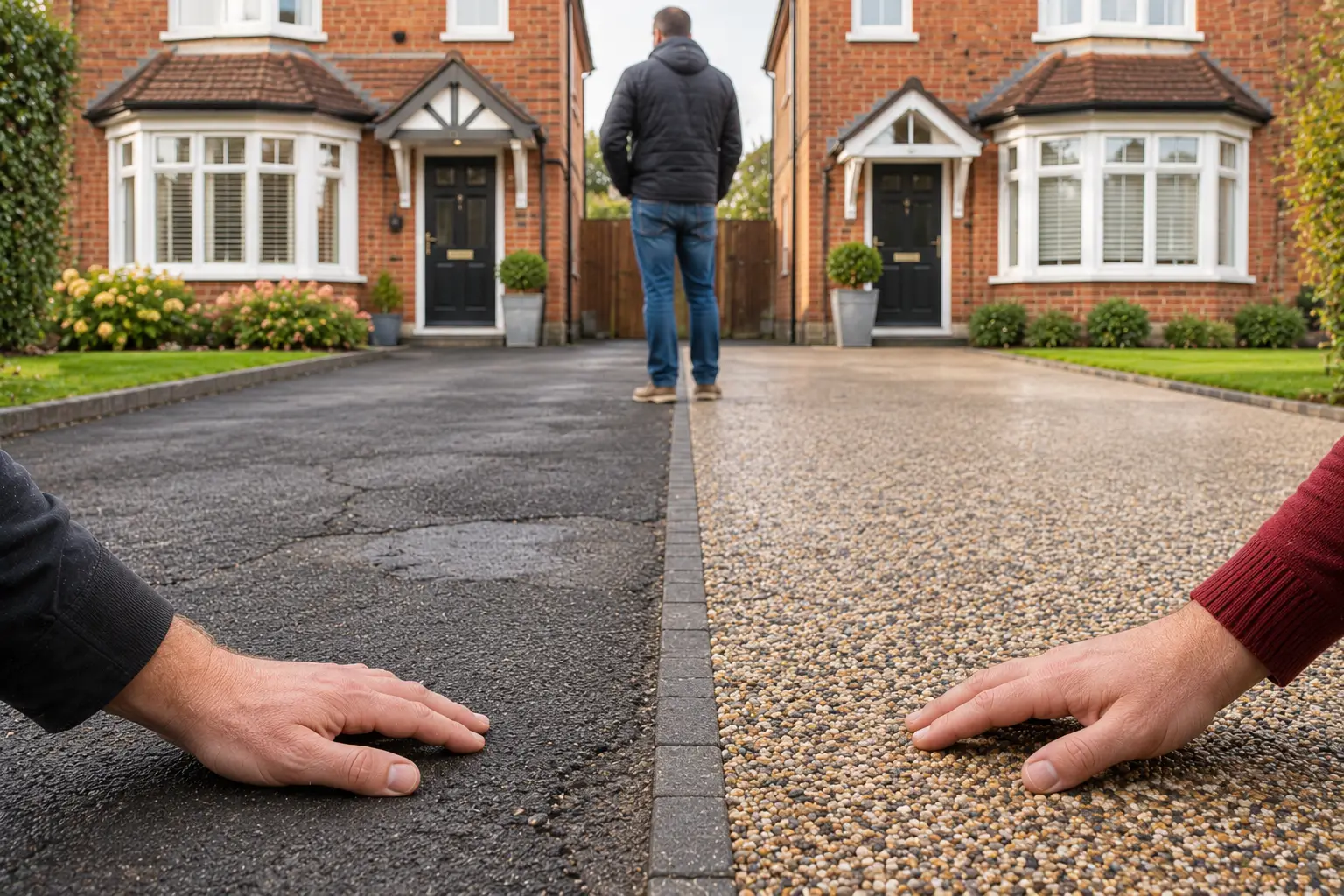
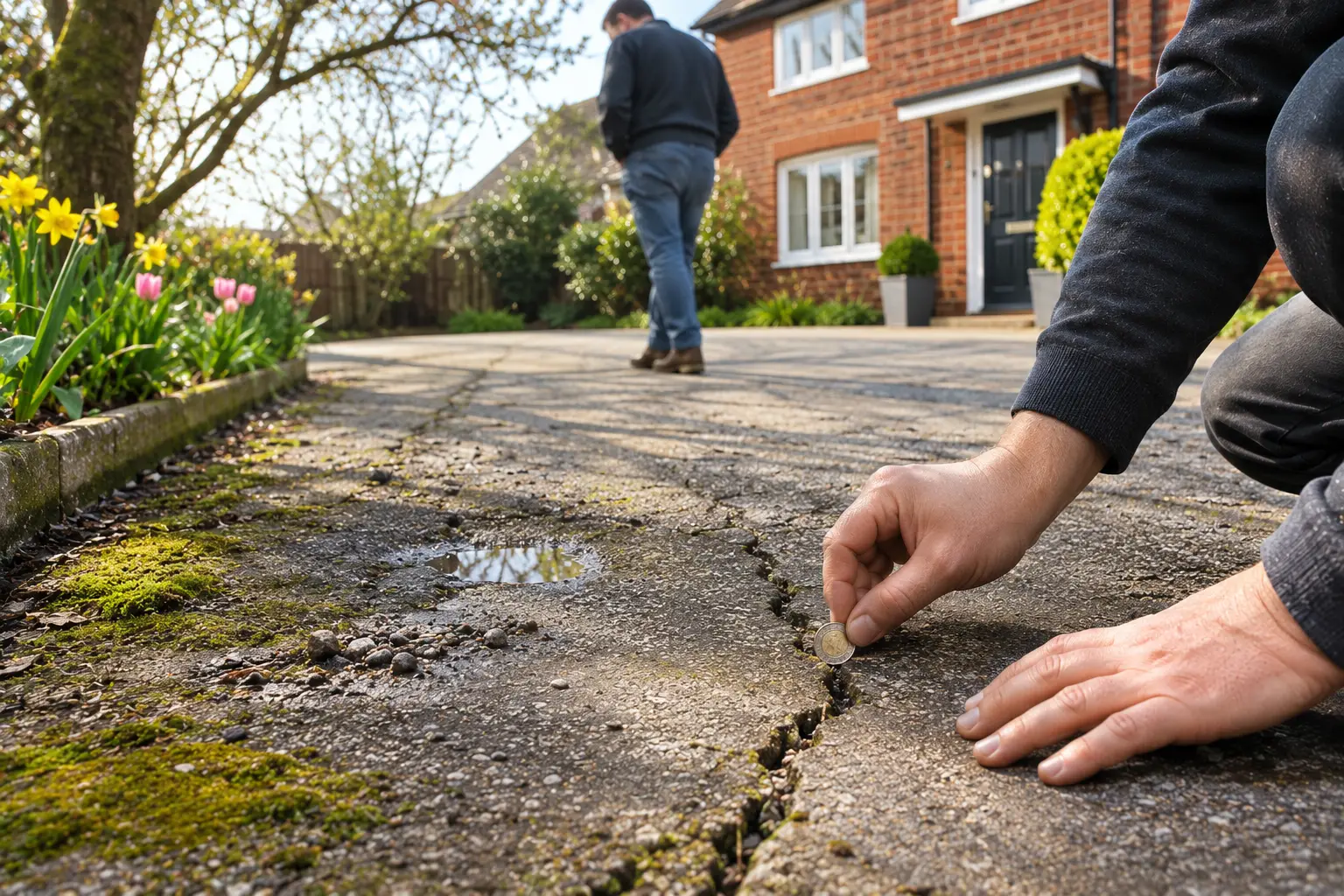
Budget block paving laid on a thin or poorly compacted base can sink, rut or lose its pattern within a few years, which defeats the point of choosing a traditional, long-lasting surface. Comparing quotes on specification, not just price, is a wise move.
Block Paving or Resin Bound for a Period Home?
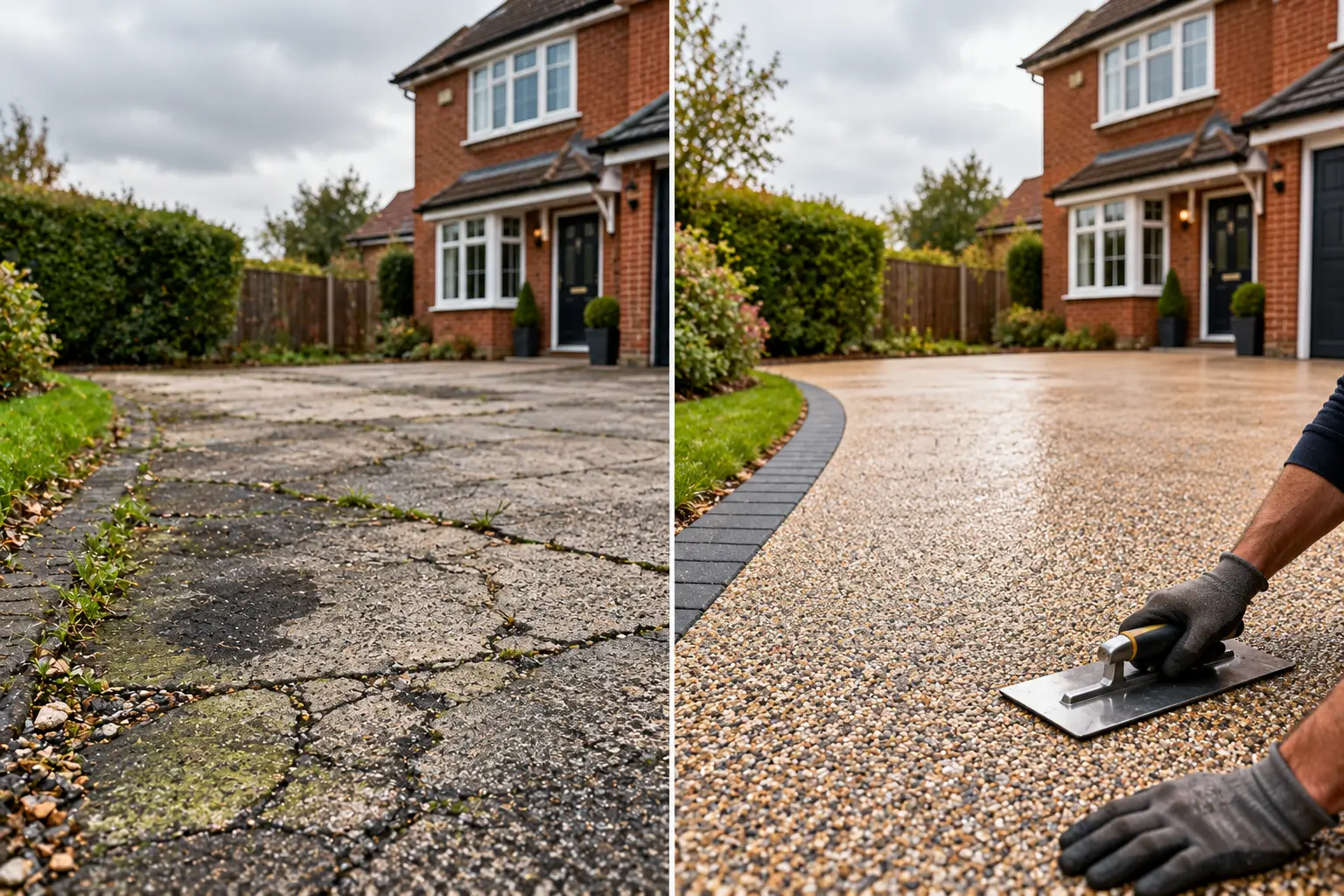
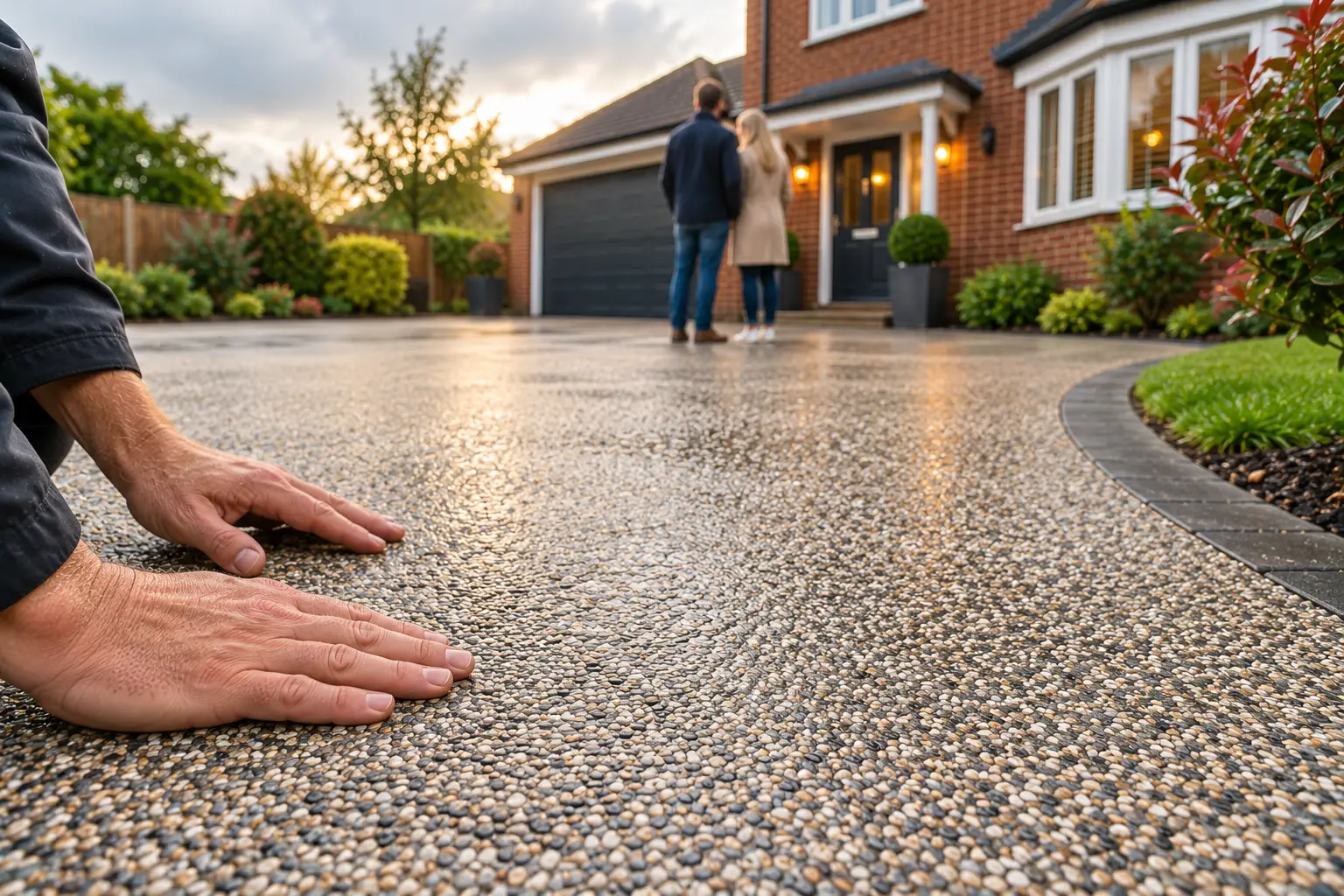
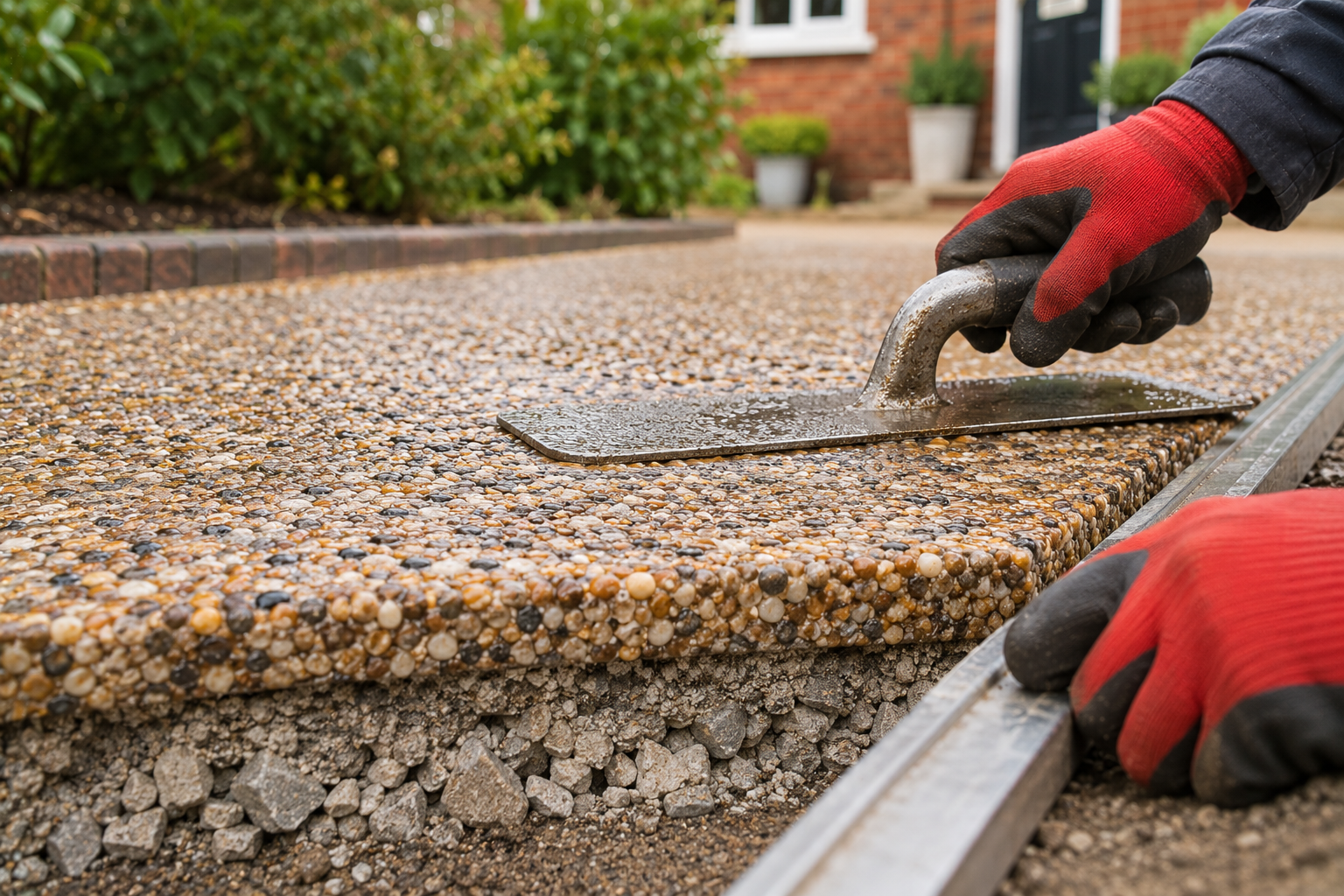
This isn’t a case of one being right and the other wrong. Resin bound surfacing offers a seamless, low-maintenance finish and is permeable, so it suits many homes, including some period properties where a muted natural stone colour works well. For others, especially streets where traditional character is protected, the texture and pattern of block paving feels more natural. If your property is listed or in a conservation area, it’s worth getting early advice from the council’s planning or conservation officer rather than assuming either option will be waved through.
Choosing the Right Block Paving for an Older Kent Home
Pick Colours From the House, Not the Catalogue
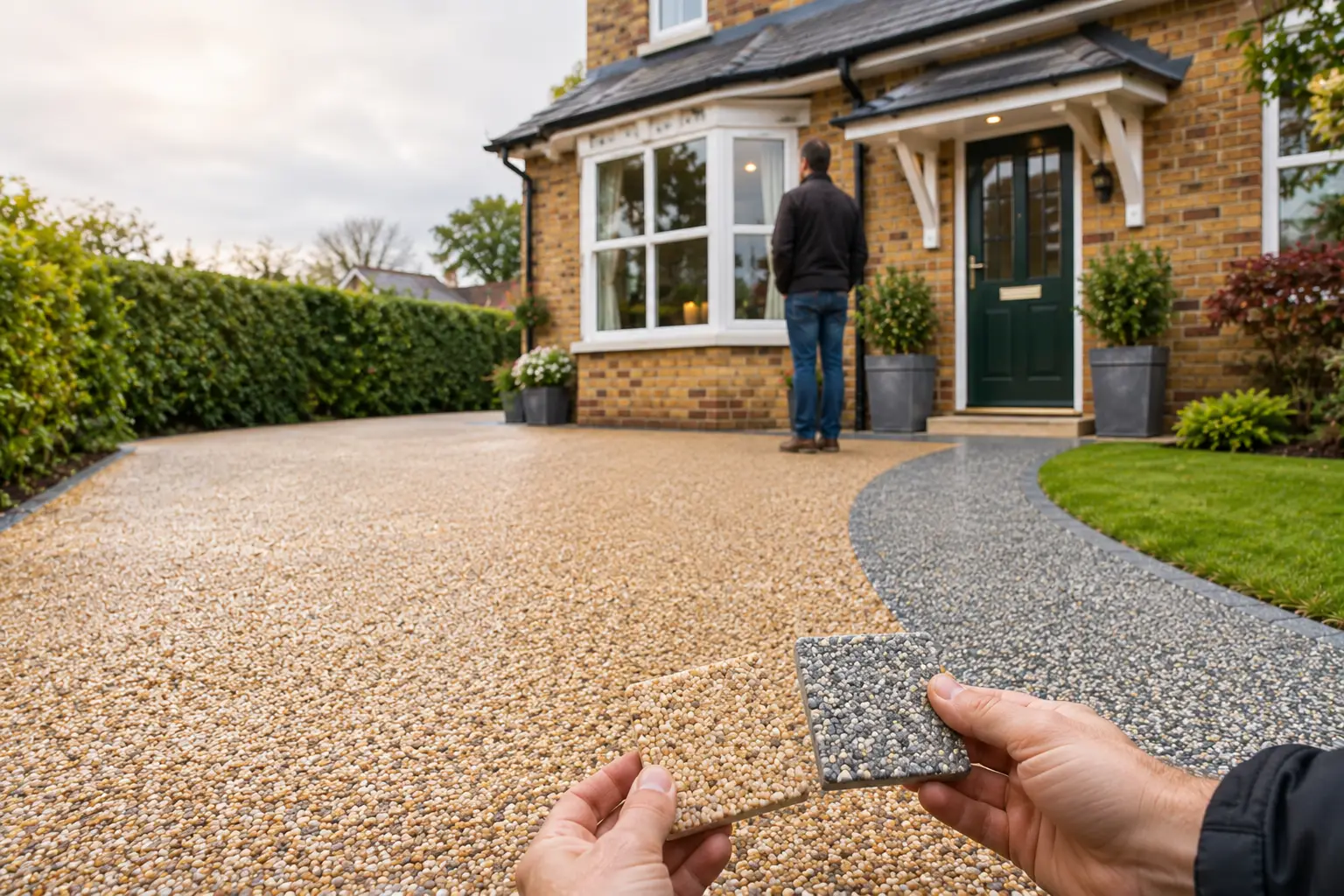
Take your cue from the existing brickwork, roof tiles and any stonework. Warm reds and browns suit red brick, buffs and creams work beside yellow stocks, and softer charcoal or grey tones can suit slate roofs and render. Viewing samples outdoors, in daylight and next to the building, avoids unpleasant surprises.
Choose a Pattern That Suits the Property
Herringbone is the classic choice, valued for strength under vehicle traffic and a timeless look. Stretcher bond and basketweave offer a more relaxed, traditional feel. A contrasting border can frame the drive without overwhelming it.
Get the Groundwork Right
Whichever style you pick, the quality of the preparation determines how long it lasts. Ask your installer how deep the sub-base will be, how drainage is handled and what edge restraint they’ll use, and have the answers in writing.
Conclusion
Block paving remains a favourite on period Kent properties for good reasons. It echoes the scale and texture of traditional building materials, tends to sit more comfortably within conservation area expectations, copes with awkward layouts and old ground, and can be repaired a few blocks at a time. It does ask for a bit more upkeep than some modern surfaces, but for many owners of older homes that’s a fair trade for a driveway that looks like it belongs. Start with a conversation with your local planning authority, choose colours and patterns that respect the house, and put as much care into the groundwork as the finish.
Frequently Asked Questions
Do I need planning permission for block paving at a period property in Kent?
Often not if the surface is permeable or drains within your property, but conservation areas and listed buildings can have extra restrictions, including Article 4 directions. Always check with your local planning authority first.
Is block paving allowed on listed buildings?
Changes to the setting of a listed building, including front gardens and boundaries, can require listed building consent in addition to any planning permission, so seek advice before starting.
Does block paving suit a Victorian or Georgian house?
Yes, in colours and patterns that echo the building’s brickwork and period character. Clay or brick-effect blocks in a herringbone or stretcher bond layout are popular choices.
Is block paving easier to repair than other driveway surfaces?
Generally yes. Individual blocks can be lifted and relaid, which is helpful if a drain needs accessing or part of the surface settles.
How do I keep weeds and moss out of block paving?
Sweep regularly, gently wash shaded areas and keep the joints topped up. Polymeric jointing sand can help resist weeds, but it’s worth discussing the options with your installer.