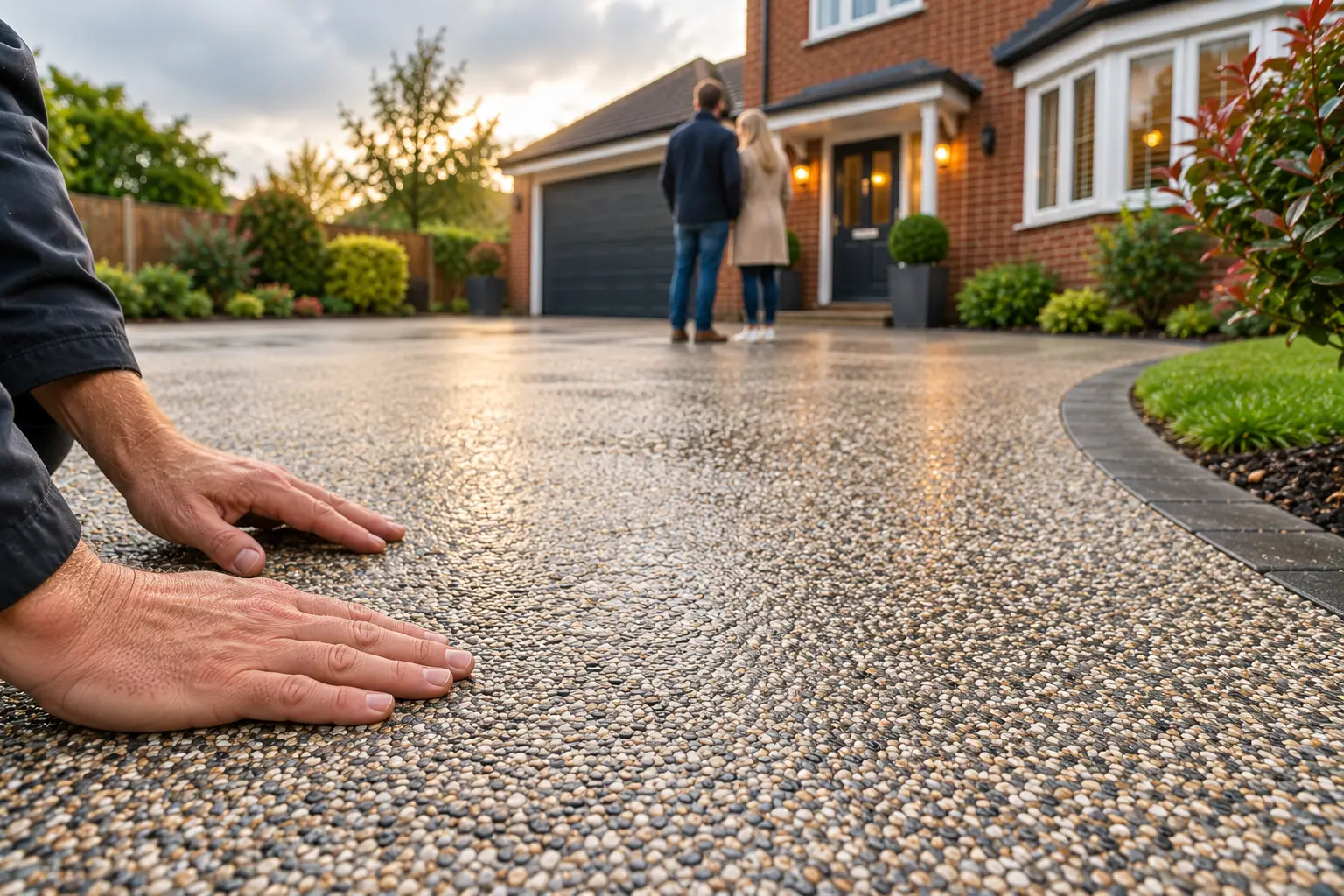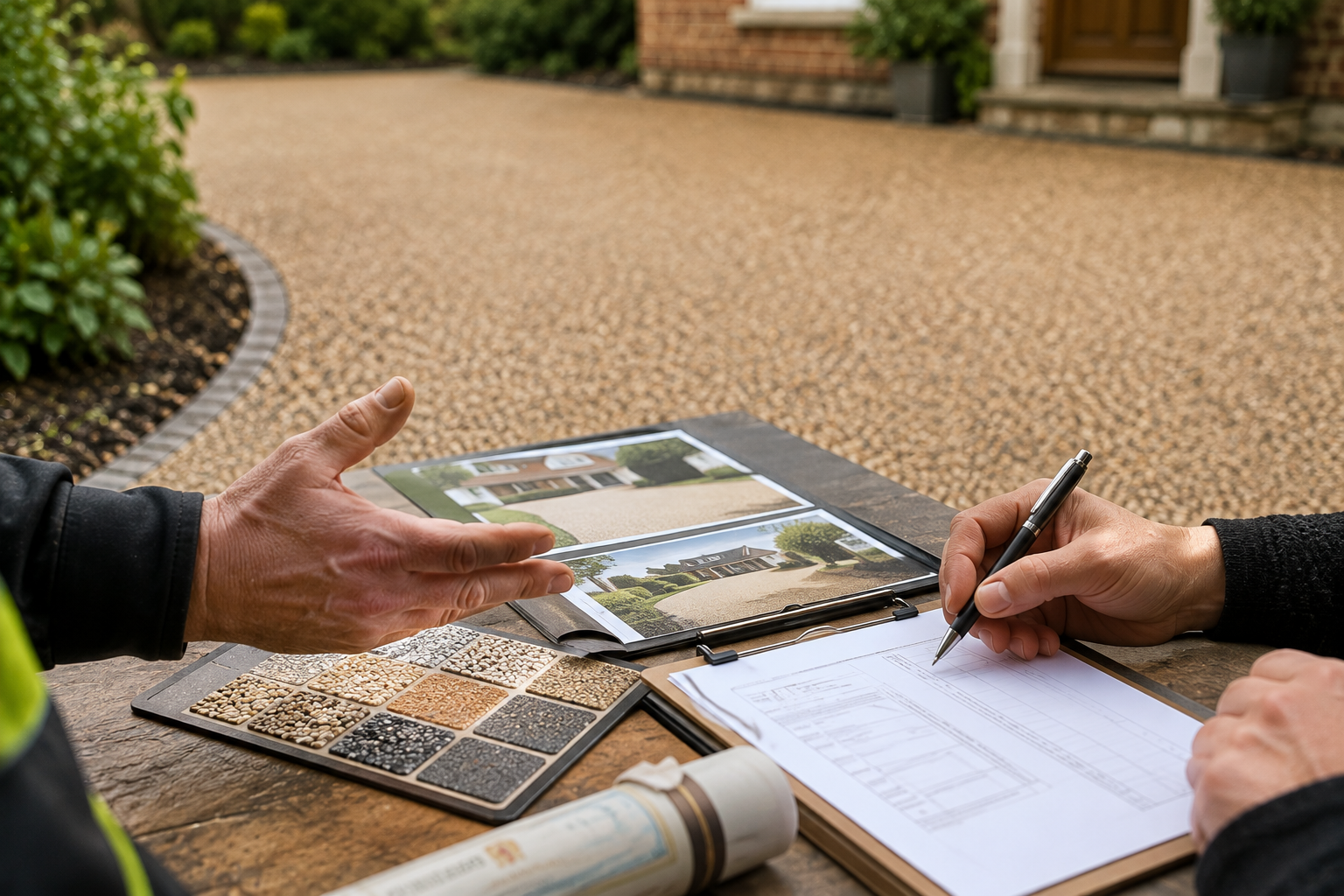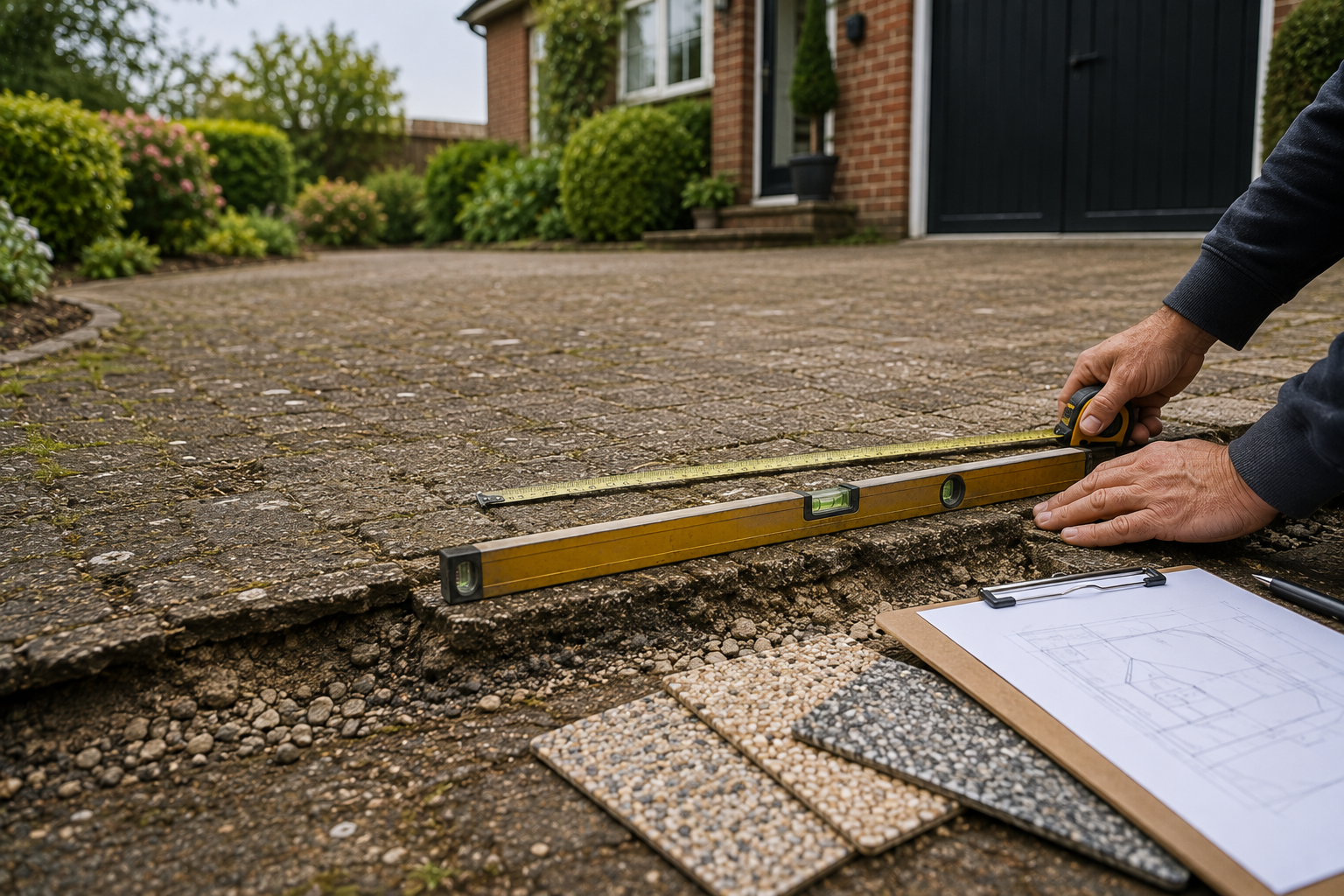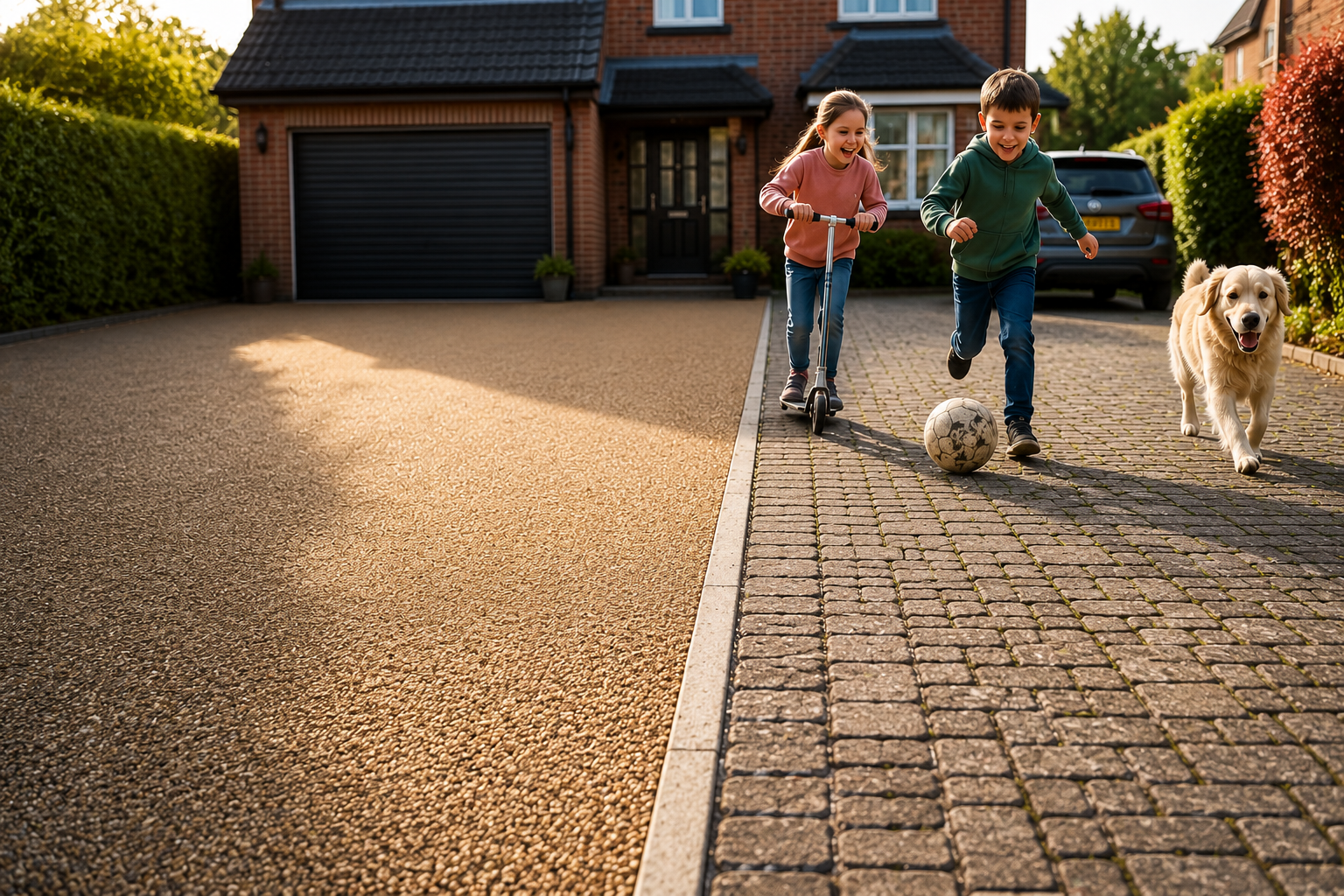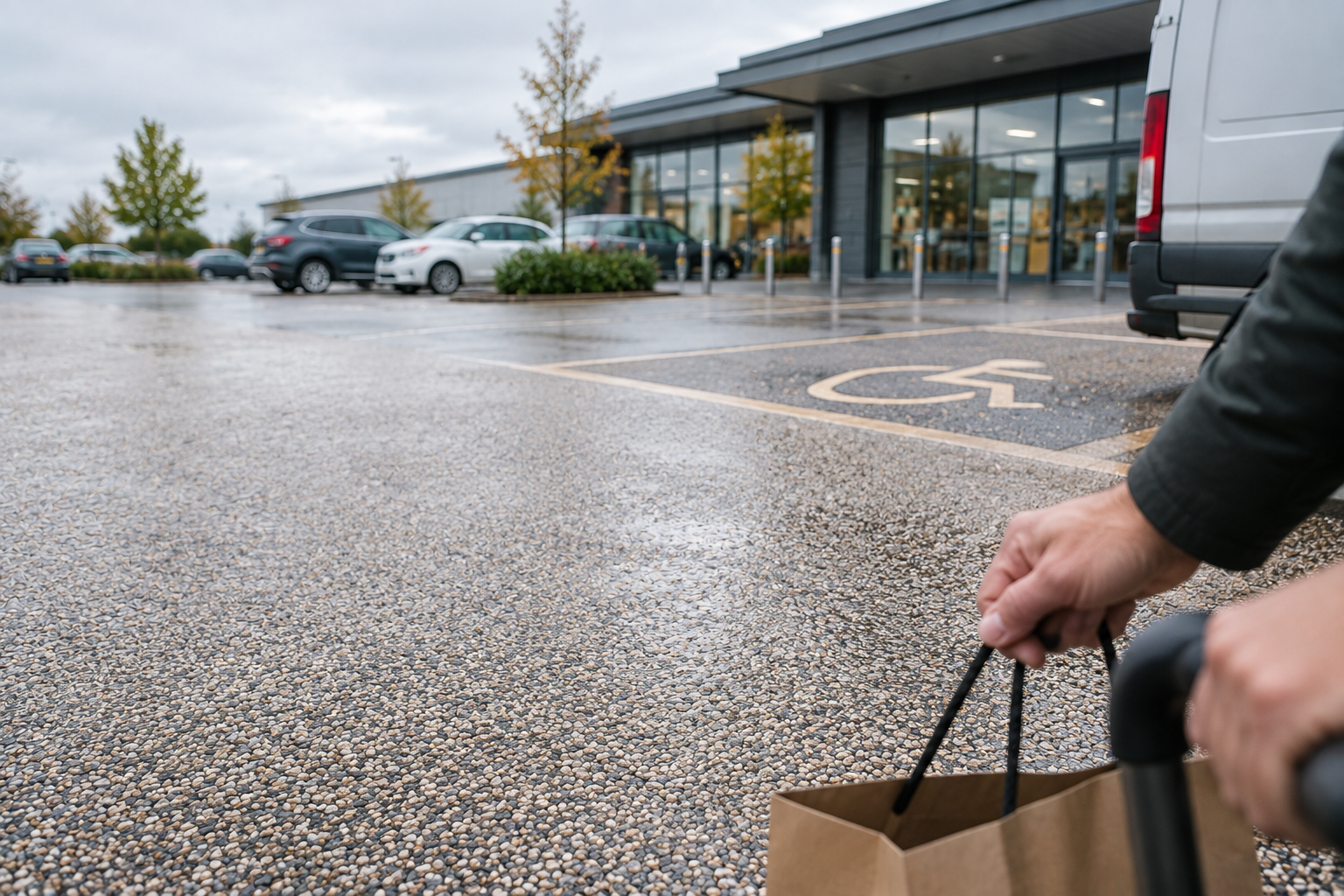
Walk around any newly refurbished retail park these days and there’s a good chance the car park underfoot isn’t tarmac anymore. It looks like stone, feels solid underfoot, and doesn’t have that patchwork of repair scars tarmac tends to develop within a few years of heavy use. That’s resin bound surfacing, and it’s steadily becoming the default choice for retail developers, property managers, and commercial landscapers across the UK.
This isn’t just a passing aesthetic trend. There are genuine commercial, environmental, and financial reasons retail parks are making the switch, and most of them come down to the same underlying issue tarmac has always struggled with — it simply isn’t built for the kind of drainage, safety, and long-term durability standards modern commercial developments are now expected to meet.
What’s Actually Driving the Shift
Retail parks live and die by footfall, first impressions, and minimal disruption to trading. A cracked, patchy tarmac car park does none of those any favours, and neither does closing half a car park for weeks of resurfacing work. Resin bound surfacing addresses several of these pressure points simultaneously, which is largely why it’s moved from a niche premium option to a genuinely mainstream commercial specification.
Drainage and SuDS Compliance
Why This Matters More for Commercial Sites Than Homes
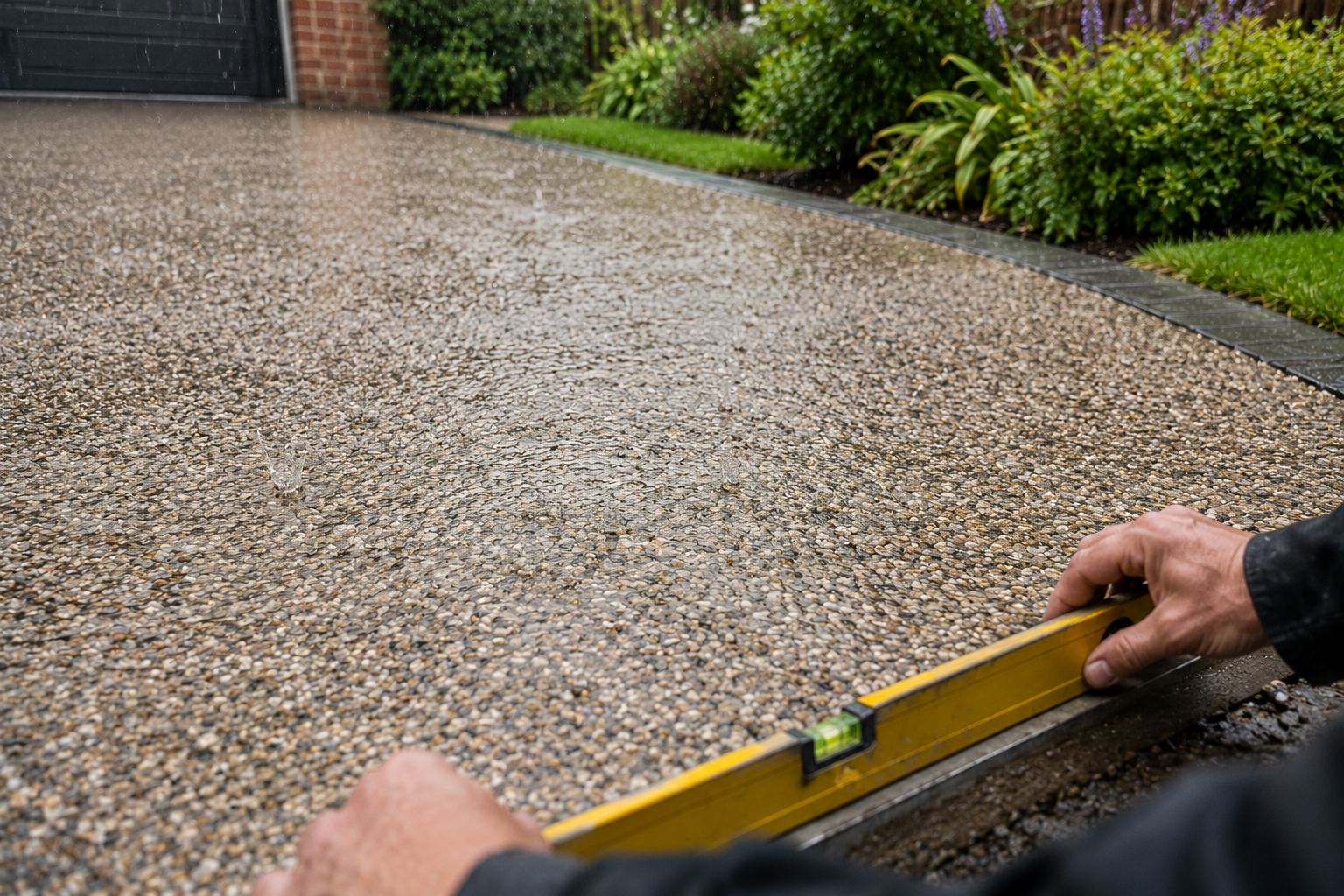
Large expanses of impermeable tarmac generate enormous volumes of surface water runoff during heavy rain, which has to go somewhere — usually straight into an already strained drainage network. For commercial developments, this isn’t just an inconvenience; it’s increasingly a planning obstacle. Resin bound surfacing, laid over a properly engineered permeable sub-base, allows rainwater to filter through the surface directly into the ground or an underlying drainage system, which is precisely the kind of sustainable drainage system (SuDS) performance that local planning authorities now expect from large-scale car park developments.
BREEAM and Planning Advantages
For developments assessed under BREEAM, the sustainability certification widely used across UK commercial property, permeable surfacing genuinely contributes credits under the sustainable drainage category, which matters considerably when a retail scheme is being assessed for planning approval or investor sustainability reporting. Being able to supply technical documentation supporting SuDS compliance during a planning submission removes friction that impermeable tarmac simply can’t offer.
Reducing Standing Water Across Large Surfaces
Retail car parks are typically vast, flat expanses, which makes standing water a genuine safety and usability issue after heavy rainfall. Because resin bound surfacing drains through the entire surface area rather than relying on channelled run-off points, puddles and pooling are dramatically reduced compared with tarmac, which depends entirely on gradients and drainage channels working correctly to shift water away.
Durability Under Constant Heavy Use
Handling Continuous Vehicle Traffic
Retail park car parks see relentless daily traffic — delivery vehicles, click-and-collect trade, and constant customer turnover throughout opening hours. Properly specified resin bound systems are engineered for exactly this kind of load-bearing demand, offering significantly greater flexural strength than standard asphalt, which translates directly into resistance against the cracking and rutting that heavy, repeated vehicle weight causes on traditional tarmac over time.
Resisting Cracking and Potholes
Tarmac’s biggest long-term weakness is its tendency to crack and pothole under sustained heavy use, particularly where water gets beneath the surface and freezes during winter, expanding and worsening existing damage. Resin bound surfacing’s seamless, jointless design, combined with its natural flexibility, makes it considerably more resistant to this freeze-thaw cycle of damage, which matters enormously for retail sites that can’t easily justify frequent resurfacing closures.
A Longer Realistic Lifespan
Well-installed resin bound car park surfacing is generally expected to last in excess of twenty years, comfortably outperforming the typical resurfacing cycle tarmac requires under constant heavy commercial traffic. For a retail park operator, that translates into fewer disruptive resurfacing projects and considerably lower long-term capital expenditure across the life of the development.
Safety for High Footfall Areas
Slip Resistance in All Weather
Retail car parks combine constant pedestrian footfall with vehicle traffic, often in wet British weather, which makes slip resistance a genuine safety priority rather than a nice-to-have. Resin bound surfacing offers strong grip even when wet, largely because the aggregate mix retains texture rather than developing the smooth, worn patches tarmac can develop over years of tyre wear in the same heavily used bays and thoroughfares.
Reducing Liability Risk
For property managers and retail landlords, slip-and-trip incidents represent a genuine ongoing liability concern. A surface that maintains consistent grip across its lifespan, rather than gradually smoothing out under heavy traffic, meaningfully reduces this exposure over the life of the car park.
Low Maintenance, Fewer Disruptions to Trading
Why Downtime Matters So Much for Retail
Every day a car park is partially closed for resurfacing or pothole repair is a day of lost footfall and frustrated customers. Resin bound surfacing’s low-maintenance nature — generally requiring little beyond occasional cleaning rather than patching, resealing, or resurfacing — means retail operators face far fewer periods of disruption compared with tarmac’s more frequent repair cycle.
Simpler, Less Frequent Upkeep
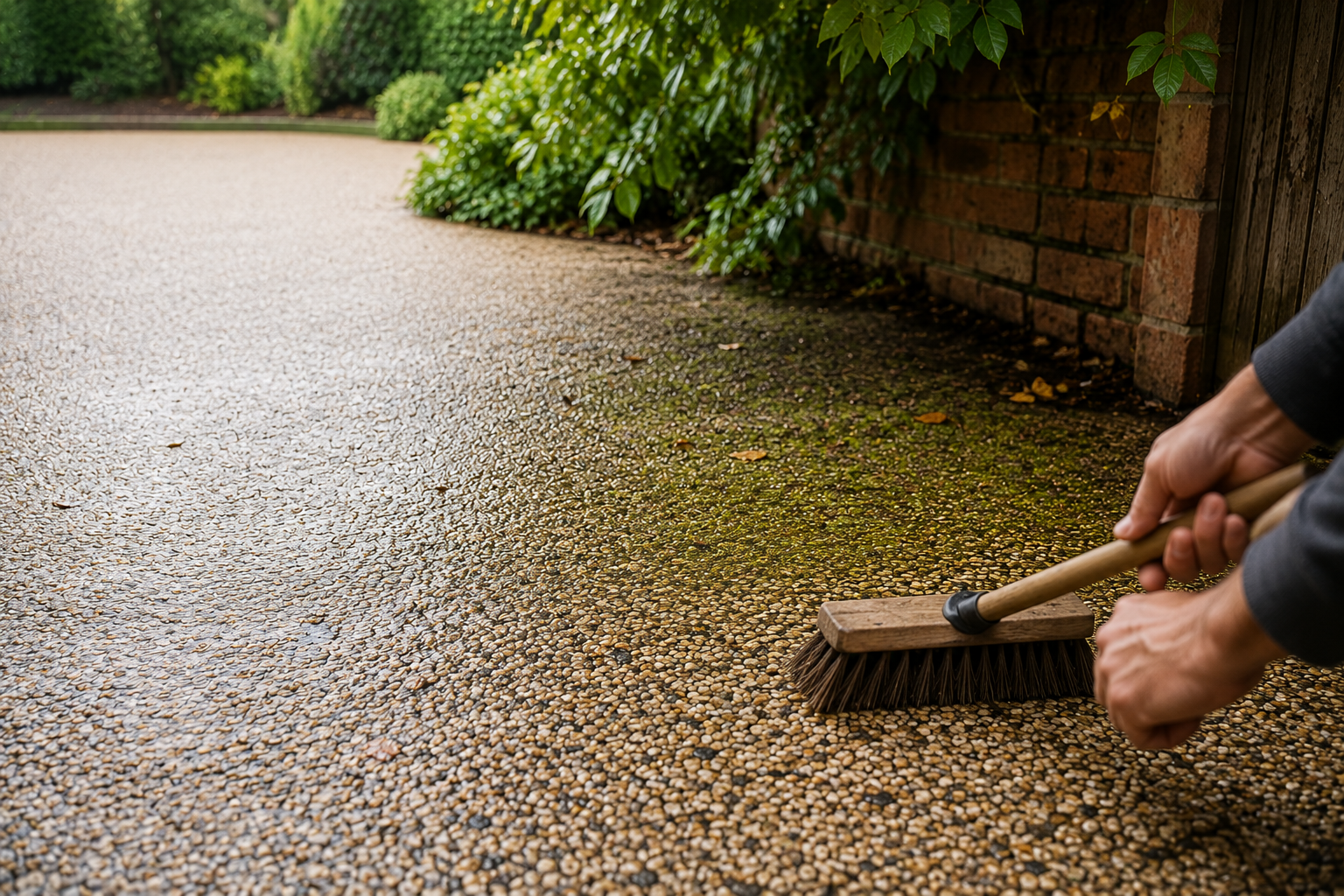
Because there’s no jointing sand to top up and no loose material to redistribute, ongoing maintenance largely comes down to periodic sweeping and occasional pressure washing to keep the surface looking presentable, which is considerably less labour-intensive than the patch repairs tarmac inevitably needs as it ages.
First Impressions and Brand Perception
Kerb Appeal Isn’t Just for Homeowners
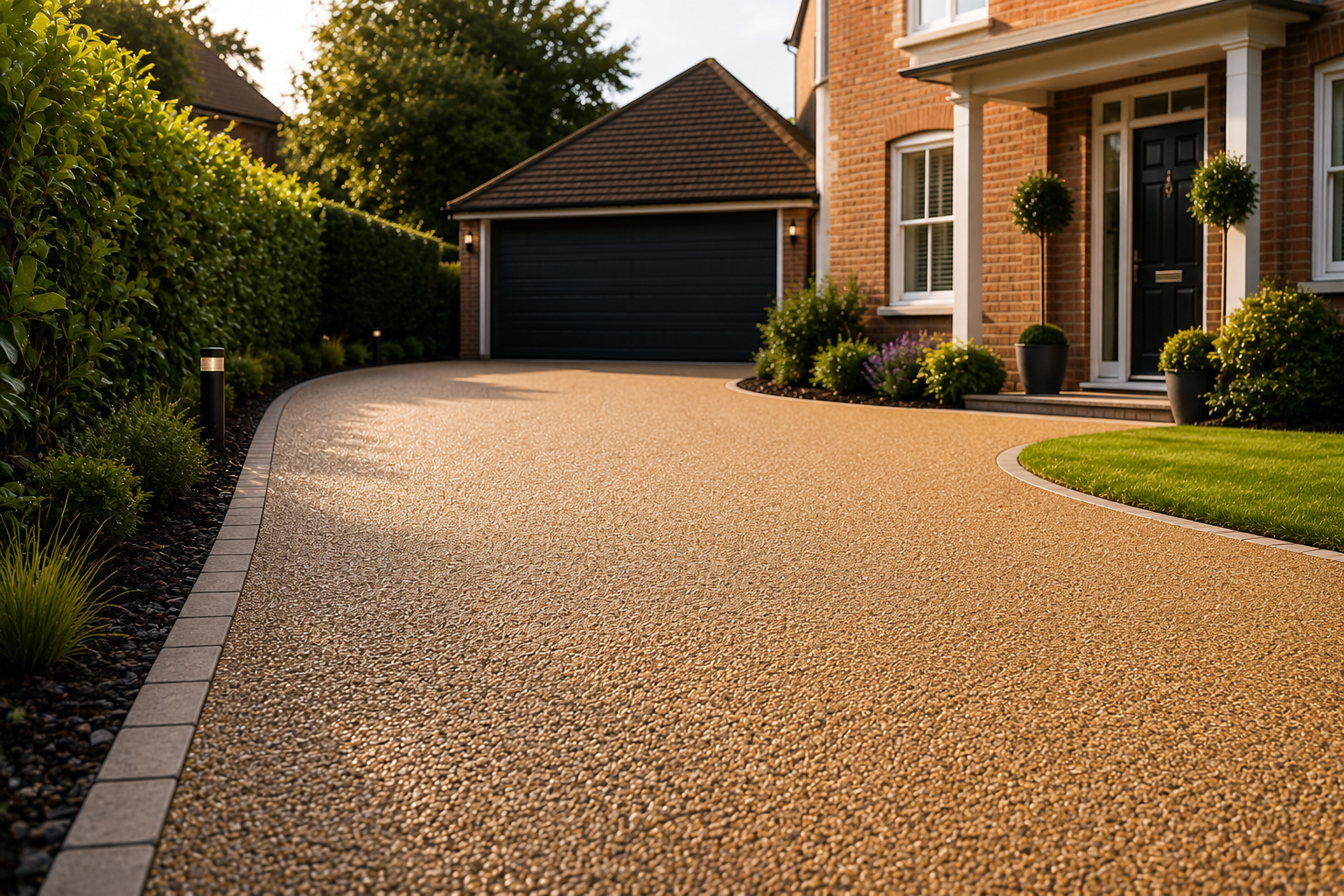
A tired, cracked, patchy car park sends a poor first impression before a customer has even walked through a retailer’s doors, whereas a smooth, seamless, natural-stone-effect surface immediately signals a well-maintained, premium environment. For retail parks competing heavily on footfall and customer experience, this visual first impression genuinely matters to how a development is perceived.
Design Flexibility Tarmac Can’t Match
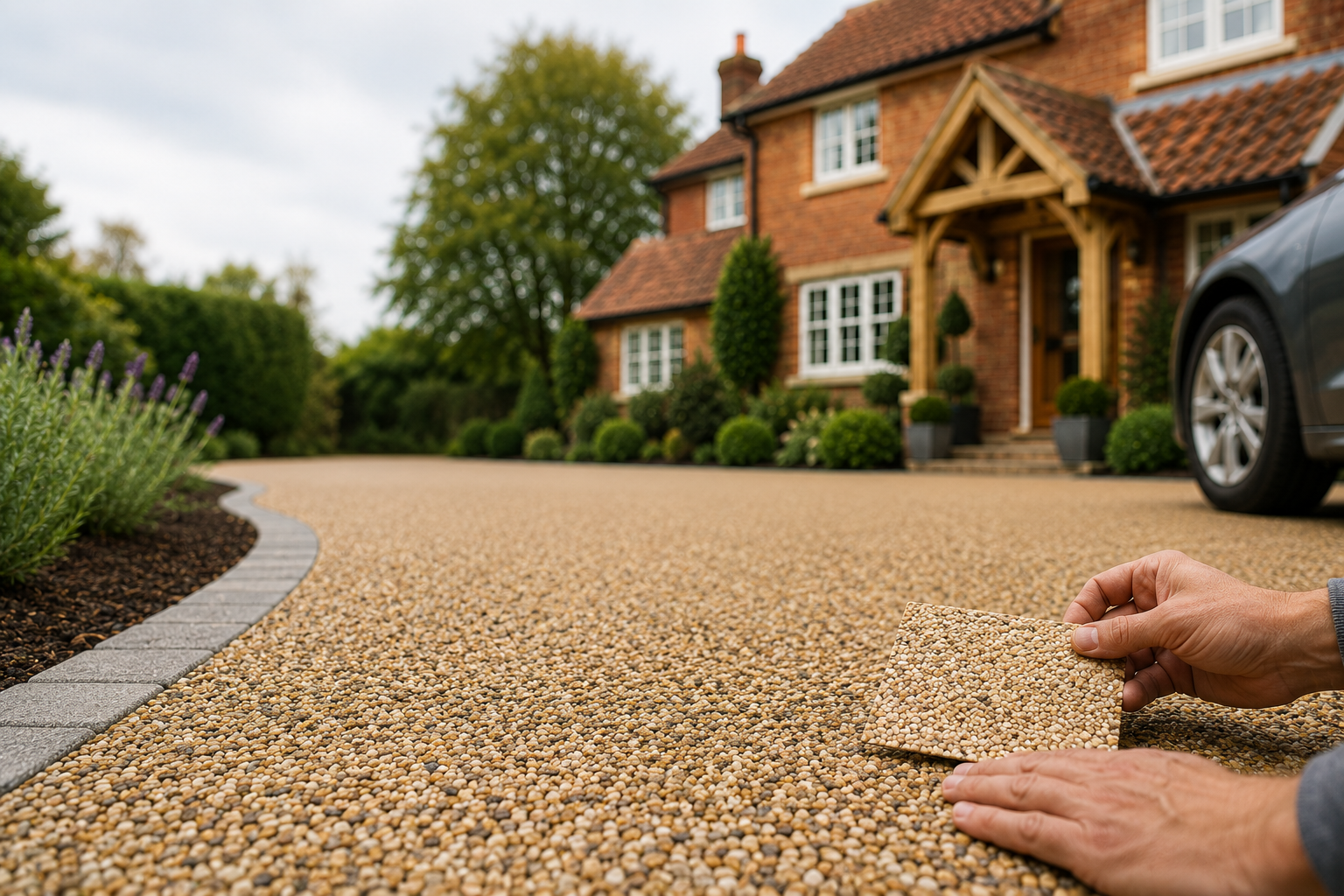
Resin bound surfacing offers extensive colour and aggregate choice, allowing developers to align car park surfacing with branding, signage zones, pedestrian walkways, and accessible parking bays through colour differentiation — something flat grey tarmac simply can’t achieve without additional line-marking and paint that wears down over time.
Environmental and Sustainability Credentials
Supporting Wider Environmental Goals
Beyond drainage, permeable resin bound surfacing supports groundwater recharge and reduces the urban heat island effect associated with large expanses of dark, impermeable tarmac, which increasingly matters for retail developers under growing pressure to demonstrate genuine environmental credentials, not just claim them.
A Better Fit for Modern Planning Expectations
As local authorities tighten expectations around sustainable drainage and environmental impact assessments for large commercial developments, resin bound surfacing’s inherent permeability positions it as a considerably easier specification to justify through planning than traditional impermeable tarmac.
Conclusion
Retail parks aren’t switching to resin bound surfacing purely for looks, though the aesthetic upgrade certainly helps. The real drivers are practical and financial — better drainage and SuDS compliance that eases planning approval, genuine durability under constant heavy traffic, stronger safety performance for high-footfall pedestrian areas, and considerably less disruptive, less frequent maintenance than tarmac ever offered. For developers and property managers weighing up long-term costs against upfront investment, resin bound surfacing increasingly looks like the more commercially sensible choice, not just the more attractive one.
Frequently Asked Questions
Is resin bound surfacing more expensive than tarmac for commercial car parks?
Upfront costs are typically higher, but resin bound surfacing’s longer lifespan and lower maintenance requirements often make it more cost-effective across the full life of a commercial development.
Does resin bound surfacing meet SuDS requirements for planning applications?
Yes, when installed over a properly engineered permeable sub-base, resin bound surfacing satisfies UK sustainable drainage system requirements for commercial planning approval.
How long does a resin bound car park last compared to tarmac?
Resin bound car park surfacing is generally expected to last over twenty years, comfortably outperforming tarmac’s typical resurfacing cycle under heavy commercial traffic.
Can resin bound surfacing handle heavy delivery vehicles?
Yes, properly specified commercial resin bound systems are engineered for sustained heavy vehicle loading and offer greater flexural strength than standard asphalt.
Does resin bound surfacing contribute to BREEAM ratings?
Yes, its permeability can contribute credits under the sustainable drainage category for BREEAM-assessed commercial developments.